
BLOG
More related information
- Home
- Blog
- Motorcycle Knowledge
- Are 150cc Motorcycles Worth It? Pros, Cons & Class Differences Explained
Are 150cc Motorcycles Worth It? Pros, Cons & Class Differences Explained
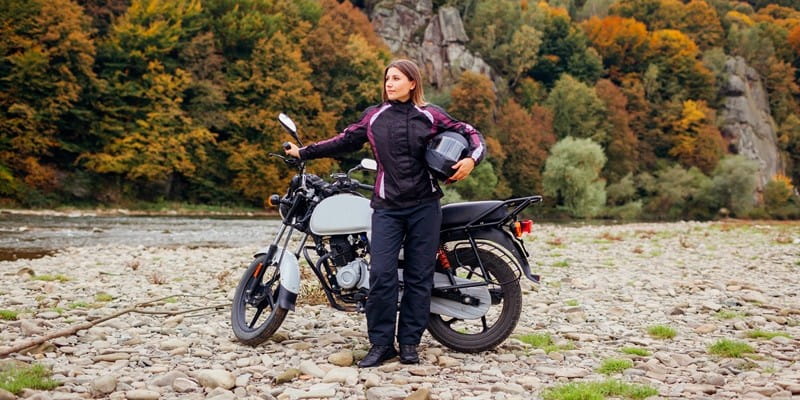
No matter where they live, most riders rarely seek top-speed performance when choosing a vehicle; instead, they focus on practicality and convenience. A 150cc motorcycle fits perfectly within this practical range, making it suitable for daily commuting or casual weekend rides. This article will help you quickly understand the advantages of 150cc motorcycles, key points to consider when choosing a bike, and how they differ from other displacements.
〈Extended Reading: Gear Motorcycle Beginner's Guide: Riding Tutorials & Maintenance Tips〉
Why 150cc Motorcycles Are Easy to Ride
150cc motorcycles have always been a popular choice for beginners or those looking for a daily commuter. The body is not too large, and the handling is straightforward, requiring little time to adapt. Whether for daily commuting or running errands, they are sufficient and belong to the category of practical models that are easy to get used to.
Lightweight, Agile, and Excellent Handling
150cc motorcycles are usually lightweight, weighing around 110 to 150 kg. Combined with a user-friendly seat height, this allows both beginners and smaller riders to handle them with ease. When riding in the city, they are agile and easy to control, whether stopping and starting, changing lanes, or navigating through traffic. If the bike accidentally tips over, most people can lift it back up themselves without too much effort, providing a greater sense of security for daily use.
〈Extended Reading: How to Choose Your First Women's Motorcycle: Top Picks & Care Secrets〉
Excellent Fuel Economy
Many modern 150cc motorcycles are equipped with electronic fuel injection systems, which provide stable throttle response and better fuel efficiency. Under normal daily riding conditions, they can achieve about 45 to 50 kilometers per liter. For those who commute daily, work in delivery, or use their bikes for long periods, the fuel cost burden is lower, and the long-term savings are quite significant.
〈Extended Reading: Light Motorcycle Recommendations | Fuel-Efficient, Easy to Maintain, and Perfect for Daily Commuting〉
150cc Motorcycles vs Other Classes: Which One Fits You?
If you are considering getting a motorcycle, you may also be hesitating: Should I choose a 150cc bike, or go straight to 200–250cc or larger displacements? Is power more important, or is the daily smoothness and ease of handling the key? In fact, different classes of models vary in handling feel, fuel economy, and usage scenarios. The table below allows you to quickly see how 150cc motorcycles compare to other bikes.
〈Extended Reading: Manual Motorcycle vs Scooter: Riding Basics, Buying Guide & Top Picks〉
〈Extended Reading: How to Choose Your Motorcycle CC? A Complete Guide to Classifications, Uses, and Performance〉
150cc to 250cc+ Motorcycles: What’s the Difference?
| Vehicle Type | Operation and Power Feel | Fuel Consumption and Maintenance | Purpose |
|---|---|---|---|
| 150cc Scooter | • Twist-and-go (no shifting) • Easiest to learn • Ideal for stop-and-go urban traffic |
• Highly fuel-efficient • Simple maintenance (mainly belts and variator rollers) |
• Daily commuting and shopping • School runs and errands • Rainy-day transport |
| 150cc motorcycle | • Manual shifting & clutch control • High engagement • Brisk and responsive power |
• Excellent fuel economy • Low-cost maintenance (mainly chain, clutch, and basic fluid changes) |
• Learning manual riding • Daily commuting • Short-distance weekend trips |
| 200–250cc Motorcycles | • Noticeably stronger power • Effortless starts and hill climbs • Stable mid-to-high speed cruising |
• Moderate fuel consumption • Higher consumable and maintenance costs than 150cc models |
• Balanced commuting and leisure riding • Mountain road touring • Occasional two-up riding |
| 251cc and Above Motorcycles | • Abundant and robust power • Exceptional high-speed stability • Heavier weight, requiring more physical effort to handle |
• Premium fuel consumption • Highest overall expenditure (tires, brakes, and scheduled maintenance) |
• Long-distance touring • High-performance riding • Enthusiast and highway use |
What to Look for When Buying a 150cc Motorcycle
In addition to appearance and price, safety equipment, build quality, and ease of maintenance and repairs are even more important. These factors will directly affect how smooth, reliable, and reassuring the riding experience is over long-time use.
〈Extended Reading: Motorcycle Buying Guide: Types, Performance, and Safety Tips to Help You Choose the Right Bike〉
Safety Features to Look for in a 150cc Motorcycle
When purchasing a 150cc motorcycle, you can start by looking at basic safety equipment, such as whether the braking system and lighting design comply with current international safety standards. Many models are now equipped with ABS or CBS, which can reduce the risk of wheel lock-up or skidding during emergency braking, providing greater peace of mind. Additionally, electronic fuel injection systems are standard features on almost all 150cc motorcycles for 150cc motorcycles; they are not only fuel-efficient but also provide smoother throttle response, significantly enhancing stability during daily riding.
〈Extended Reading: Understanding Motorcycle Brake Systems:Drum Brakes, Disc Brakes, CBS, and ABS〉
〈Extended Reading: What's the Difference Between Motorcycle ABS and CBS?〉
Build Quality & Supply Stability
When choosing a vehicle, many people focus on appearance or specifications first, but production quality and supply stability are equally important, as they directly affect the long-term user experience. For example, whether the frame welding is solid and whether the parts are durable will be reflected in the riding stability. Additionally, if a brand's supply chain is unstable, resulting in frequent parts shortages or long repair times, which can make daily use more inconvenient. Therefore, choosing a brand with stable supply and a well-established maintenance system offers greater convenience and peace of mind.
Is Maintenance and Servicing Easy for 150cc Motorcycles?
No matter which city you use your vehicle in, the convenience of maintenance and repair is key. Choosing a brand with easily obtainable parts and convenient service locations will ensure you don't spend too much time waiting when replacing consumables or requiring routine inspections. Additionally, being able to quickly find technical support when encountering problems is also very important. For instance, Hartford provides comprehensive after-sales warranty services, making daily vehicle use more worry-free.
〈Extended Reading: Motorcycle Spark Plugs: How to Choose, When to Replace, and Why It Matters〉
150cc Motorcycles Can Still Look Stylish
If you are looking for a 150cc motorcycle that balances appearance and practicality, the Hartford Mini Elite 150 is a choice well worth considering. With its retro street bike design, it is highly recognizable among a row of commuter vehicles. Whether for daily commuting or casual weekend rides, it can easily showcase your personal style.
In terms of actual riding, the MINI ELITE 150's power output is stable, making it very handy for daily commuting or short-distance travel. It is equipped with LED lighting, an LCD instrument panel, and a single-channel ABS anti-lock braking system, ensuring both safety and convenience. Coupled with its lightweight body design, it is more agile and easy to handle, allowing beginners to get used to it quickly.
〈Recommended Products: Mini Elite 150 (RB06A)〉
〈Extended Reading: Motorcycle Engine Types Explained: Scooter vs. Manual Motorcycle Engines and Which Is Better to Ride〉
〈Extended Reading: Scooter vs Manual Motorcycle Shock Absorbers | Types, Inspection, and Maintenance〉
150cc Motorcycle FAQs
Is a 150cc motorcycle good for beginners?
A 150cc motorcycle is relatively beginner-friendly. The power output is gentle, so starting and accelerating won't be too sudden, making it easier to find the rhythm when practicing gear shifts and clutch control. Even if you're not very proficient and make occasional operational errors, the bike's response won't be too difficult to control. Overall, it's very suitable as an entry-level class.
〈Extended Reading: Manual Motorcycle Price Guide | Price Ranges by Displacement & Ownership Costs at a Glance!〉
How hard is it to maintain a 150cc motorcycle?
Maintenance for a 150cc motorcycle is not complicated, mainly involving basic items such as chain adjustment and lubrication, regular oil changes, as well as checking the clutch, brake pads, tire pressure, and other consumables. Compared to larger displacement bikes, overall maintenance is quite straightforward; if you follow the fixed maintenance schedule based on mileage, you can maintain it in good condition. For beginners, it is not only easy to handle but also keeps ownership costs low.
〈Extended Reading: Motorcycle Maintenance Guide: How Often and What to Check?〉
Conclusion
By now, you might have realized that a 150cc motorcycle is a very balanced choice—easy to handle, fuel-efficient, and perfectly adequate for daily commuting, while still retaining the handling fun that a manual motorcycle should have. If you are considering purchasing a 150cc motorcycle or are still unsure which one to choose, contact Hartford for model details and advice on selecting the right bike.


Hartford
At Hartford, we turn motorcycle passion into innovation. Under our "Heart for You" spirit, we deliver high-quality, human-centric designs for diverse needs. We offer manual-transmission motorcycles and scooters, actively expanding our brand globally and domestically.
Beyond bikes, Hartford provides mobility solutions like electric golf carts in Taiwan. With a professional team and customer-first approach, we aim to be a global brand representing Taiwan, bringing a convenient and exciting mobile lifestyle to for customers worldwide.
Article Classification
Recent Articles
- Off-Road Motorcycle Buying Guide: How to Choose the Right Bike, Engine Size, and Safety Gear
- Motorcycle Horsepower vs Torque: Key Performance Differences You Should Know Before Buying
- Are 150cc Motorcycles Worth It? Pros, Cons & Class Differences Explained
- Is a 250cc Motorcycle Worth It? Key Differences from 150cc & Top Picks
- Manual Motorcycle vs Scooter: Riding Basics, Buying Guide & Top Picks