
BLOG
More related information

- Home
- Blog
- Motorcycle Knowledge
- What's the Difference Between Motorcycle ABS and CBS?
What's the Difference Between Motorcycle ABS and CBS?
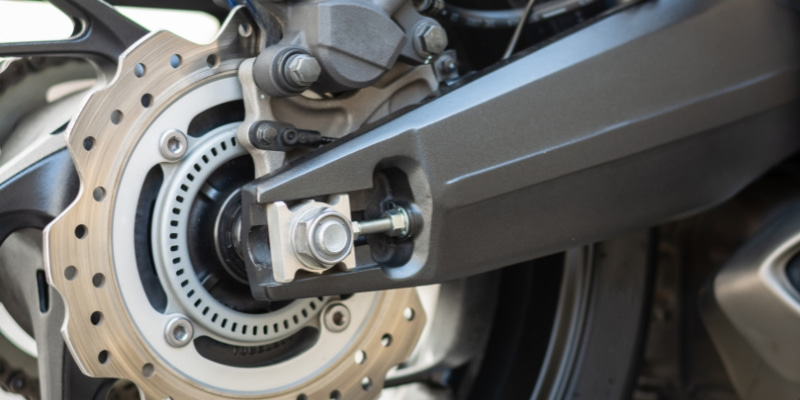
Motorcycle disc brakes are the mainstream equipment on modern motorcycles. They use hydraulic calipers and the friction against the disc rotor to reduce speed, allowing riders to maintain safety during emergency braking. Facing ever-changing road conditions—whether it's painted road markings, wet surfaces on rainy days, or potholes—riders may experience wheel slippage when braking. Therefore, since 2016, European countries have taken the lead in mandating motorcycles to be equipped with Anti-lock Braking Systems (ABS) to prevent wheel lock-up during sudden stops. This article will provide an in-depth guide on how to choose ABS motorcycles that comply with regulations and offer excellent performance, so you can enjoy both riding pleasure and safety.
Is Motorcycle ABS Really Important? It Enhances Your Riding Safety!
In fact, ABS systems have long been used in cars and have gradually become common in motorcycles in recent years. When riders encounter sudden situations, they often instinctively brake hard out of nervousness. Without a motorcycle ABS system to regulate brake pressure, the tires can easily lock up, causing the vehicle to lose traction and skid, leading to a fall. According to research, motorcycle ABS can effectively reduce serious injury accidents by more than 25%, significantly improving rider safety. Besides European countries making ABS a standard feature on motorcycles starting in 2016, Japan followed suit in 2018. Taiwan mandated that new motorcycles over 125cc must be equipped with ABS starting in 2019, while new motorcycles under 125cc can choose to install either ABS or a Combined Braking System (CBS).
〈Further Reading: How Did Hartford Motorcycles from Taiwan Conquer the Global Market? 〉
What’s the Difference Between Motorcycle ABS and CBS? A Comprehensive Analysis of the Two Brake Systems
ABS (Anti-lock Braking System) and CBS (Combined Braking System) are both advanced motorcycle brake assist technologies designed to provide safer riding and reduce traffic accidents caused by braking issues. But how exactly do you distinguish between the two? Below is a detailed introduction to the features of motorcycles equipped with ABS and CBS.
CBS Motorcycle Brake System
The Combined Braking System (CBS) links the front and rear brakes. When the rider operates only one brake lever, the system automatically activates both the front and rear brakes. For example, if you pull only the rear brake lever, CBS will appropriately distribute some braking force to the front wheel, addressing issues like instability, fishtailing, or insufficient braking power. Additionally, the CBS system typically engages only when the vehicle speed exceeds 20 km/h (about 12 mph), so at low speeds—such as when parking or starting off—traditional braking operation is still required.
ABS Motorcycle Brake System
The Anti-lock Braking System (ABS) detects when a wheel is about to lock up and automatically adjusts brake pressure to keep the wheel rolling just enough to prevent skidding. This helps avoid loss of control and maintains steering ability, improving braking stability. Unlike CBS, ABS activates at speeds above approximately 10 km/h (about 6 mph), providing necessary safety even during low-speed city riding. Since many riders tend to be less vigilant at low speeds, choosing a motorcycle with ABS can effectively reduce the risk of accidents and make braking more reliable. ABS is a key design feature for enhancing riding safety.
Comparison of Motorcycle ABS and CBS Braking Systems
| Item | Motorcycle ABS (Anti-lock Braking System) | Motorcycle CBS (Combined Braking System) |
|---|---|---|
| Mechanism | Sensors monitor wheel speed. If a tendency to lock up is detected, the system automatically adjusts braking pressure to keep the wheels rolling and prevent skidding. | When the rider operates a single brake lever, the system automatically distributes braking force to both the front and rear wheels to improve braking balance. |
|
Operating Conditions |
Activates when speed exceeds approx. 10 km/h. It can intervene even at low speeds to enhance safety. |
Activates only when speed exceeds approx. 20 km/h. At lower speeds, the rider must rely on traditional braking operations. |
| Safety | Prevents wheel lock-up and maintains directional control. It reduces the risk of crashing during emergency braking, significantly improving safety. | Provides more balanced braking force, reducing the risk of fishtailing or failure to stop caused by improper braking (common among beginners). |
|
Suitability |
Suitable for all riders, especially effective in rain, on slippery roads, or during emergency situations. |
Provides basic braking assistance, but overall safety performance is lower than ABS. |
Are ABS Motorcycles Expensive? Protecting Your Life is the Most Important!
With increasing awareness of safety, Europe has mandated since 2016 that new motorcycles must be equipped with ABS. Japan and Taiwan followed suit in 2018 and 2019, respectively. Nowadays, ABS systems on motorcycles are no longer exclusive to high-end models but have become standard equipment for both cars and motorcycles. There is a wide variety of new motorcycles equipped with ABS, ranging from around NT$80,000 to over NT$150,000. Instead of viewing ABS on motorcycles as an extra cost, it should be seen as a necessary investment in safety. After all, accidents are unpredictable, and ABS can enhance safety in emergency situations. Choosing a motorcycle with ABS provides an added layer of protection for yourself and your family while riding.
Recommended ABS Motorcycle Models: Hartford’s High-Quality Brake System Gives You Greater Riding Confidence
Driven by a passion for motorcycles, Hartford Enterprises upholds the core spirit of "Heart for You," continuously investing in research and innovation. With a focus on high quality, strict standards, and user-friendly design, they offer a diverse range of ABS motorcycle models, allowing consumers to enjoy a safer riding experience without compromising on performance.
〈Further Reading: Adventure Motorcycle Touring: Choosing the Perfect Long-Distance Bike for Safety and Comfort〉
〈Further Reading: What Is Fuel Efficiency? Improving Fuel Consumption for a Greener Environment! 〉
ABS Motorcycle Recommendation 1: Hartford VR220 DB01A
As a newly launched model for 2025, the Hartford VR220 features a high-performance international six-speed engine, delivering strong power output and smooth gear shifts. The front suspension is equipped with a 43mm adjustable damping inverted front fork, providing excellent stability even on bumpy roads. Its exterior boasts a high-rigidity cradle frame and uses off-road tires sized 21 inches in the front and 18 inches in the rear. The front wheel is equipped with an ABS braking system, ensuring enhanced safety. Additionally, the Hartford VR220 is very affordable, making it a must-consider option for off-road motorcycle enthusiasts.
〈Recommended Model:VR-220HX (DB01A) 〉
〈Further Reading: Find Your Ride: Comparing Top Motorcycle Brands, Styles, and Buying Tips〉
.jpg)
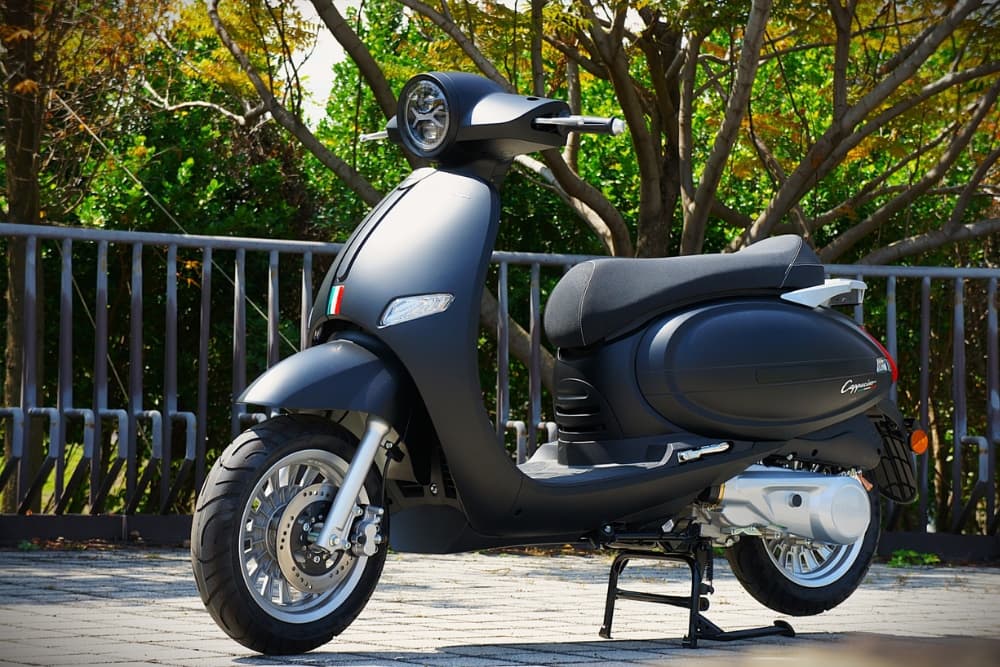
ABS Motorcycle Recommendation 2: Hartford Cappucino 150 (SA03A)
Looking for a stylish, compact scooter that's nimble enough to weave through city streets? Hartford is launching the Cappuccino 150 at the end of 2024, featuring a retro design combined with a hip, artsy vibe. Whether for commuting or leisure, it lets you showcase your personal style. This scooter is lightweight and easy to handle, making it perfect even for beginners. Most importantly, it comes equipped with an ABS system on the front wheel, greatly enhancing braking safety and maintaining stability in emergency situations—all at an affordable price.
〈Recommended Model:Cappucino 150 (SA03A)〉
Mastering Key Points of ABS Motorcycle Maintenance for Enhanced Safety!
The ABS braking system on motorcycles requires regular inspection and maintenance to ensure that sensors and the hydraulic system function properly, providing a stable and safe riding experience.
Regular Brake Fluid Replacement
Brake fluid can absorb moisture from the air over time, which degrades its performance and may even cause internal system corrosion. It is generally recommended to replace the brake fluid every 2 years or after riding approximately 20,000 kilometers (about 12,400 miles). For riders who frequently ride on mountainous roads or use the brakes intensively, the maintenance interval can be shortened to every year or every 15,000 kilometers (about 9,300 miles) to keep the braking system in optimal condition.
Brake Component Cleaning
To maintain the stable operation of the motorcycle’s ABS system, it is important to regularly clean brake components such as the brake discs and calipers. This prevents the buildup of oil, dirt, or metal shavings that can reduce braking power or cause unusual noises. Regular cleaning also helps prevent abnormal wear on the brake pads, lowering repair costs and ensuring braking performance stays within a safe range to effectively protect the rider.
Check Brake Pad Thickness
Brake pads, commonly known as “brake shoes,” are the most wear-prone consumable parts of the braking system. If the brake pads become too thin, braking power decreases, and other parts like the discs can be damaged. In severe cases, brake failure may occur. Generally, for disc brake systems, brake pads should be replaced when their thickness falls below 2 millimeters. For drum brake systems, due to structural differences, replacement intervals typically range between 10,000 to 20,000 kilometers (6,200 to 12,400 miles), depending on riding habits and road conditions.
Watch for ABS Warning Lights
If the ABS warning light on the dashboard illuminates, it indicates a malfunction in the brake sensors or system operation, and the ABS may not engage properly. Riders are advised to have their motorcycles inspected at a service center as soon as possible to avoid accidents during emergency braking. Hartford, a well-known Taiwanese motorcycle brand, offers various online maintenance tutorial videos to help owners easily grasp basic upkeep knowledge. These include instructions on replacing air filter elements, checking and changing engine oil, inspecting and replacing spark plugs, and more—enabling every rider to perform routine maintenance and keep their motorcycles in top condition.
〈Further Reading:Best Commuter Motorcycles|Your Complete Guide to Choosing and Upgrading〉
Conclusion
Motorcycle ABS is not an expensive "optional feature," but an essential "standard feature" for modern riders facing ever-changing traffic conditions. ABS-equipped motorcycles maximize riding safety during emergency braking. Hartford, with the brand philosophy of "Heart for You," continuously offers high-quality and diverse ABS motorcycle models. Whether it's a commuter scooter or an off-road bike, we provide the best options tailored for you. If you want to learn more about our models, feel free to contact us anytime and upgrade both your safety and riding enjoyment!


Hartford
At Hartford, we turn motorcycle passion into innovation. Under our "Heart for You" spirit, we deliver high-quality, human-centric designs for diverse needs. We offer manual-transmission motorcycles and scooters, actively expanding our brand globally and domestically.
Beyond bikes, Hartford provides mobility solutions like electric golf carts in Taiwan. With a professional team and customer-first approach, we aim to be a global brand representing Taiwan, bringing a convenient and exciting mobile lifestyle to for customers worldwide.
Article Classification
Recent Articles
- Off-Road Motorcycle Buying Guide: How to Choose the Right Bike, Engine Size, and Safety Gear
- Motorcycle Horsepower vs Torque: Key Performance Differences You Should Know Before Buying
- Are 150cc Motorcycles Worth It? Pros, Cons & Class Differences Explained
- Is a 250cc Motorcycle Worth It? Key Differences from 150cc & Top Picks
- Manual Motorcycle vs Scooter: Riding Basics, Buying Guide & Top Picks