
BLOG
More related information
- Home
- Blog
- Motorcycle Knowledge
- Motorcycle Buying Guide: Types, Performance, and Safety Tips to Help You Choose the Right Bike
Motorcycle Buying Guide: Types, Performance, and Safety Tips to Help You Choose the Right Bike
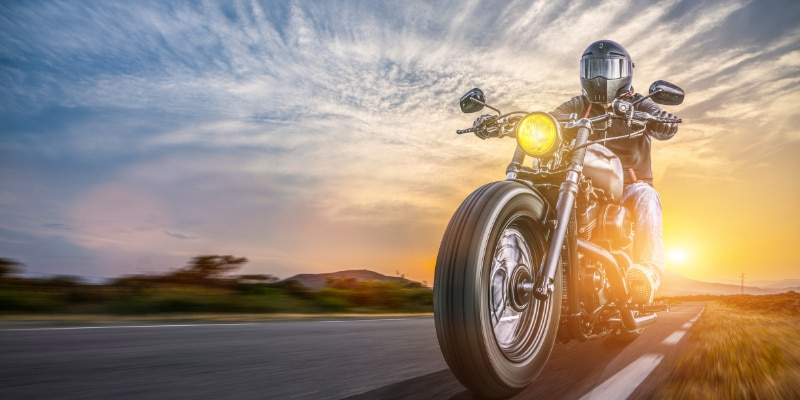
In the global motorcycle market, the motorcycle remains a timeless favorite among riders. It’s more than just transportation—it represents control, character, and the pure joy of riding. With its hands-on handling, distinctive styling, and engaging riding experience, the motorcycle continues to attract riders around the world.
Not sure how to choose the right motorcycle? What’s the difference between street motorcycles, multi-purpose models, and off-road bikes? This guide breaks down the key motorcycle categories, performance considerations, shifting basics, and essential safety tips—helping you make a smart, confident buying decision without regret.
〈Related Reading:Beginner Motorcycle Buying Guide | A Practical Guide from Riding Experience to Smart Selection〉
Why Motorcycles Stand Out: Control, Connection, and the Ride Itself
What truly sets motorcycles apart is the sense of control. Manual shifting creates a direct connection between rider and machine—every throttle input and clutch movement becomes part of the experience. This rider–bike interaction is something automatic scooters simply can’t offer.
For many riders, a motorcycle isn’t just about commuting—it’s a reflection of lifestyle and personal identity. That’s also why motorcycles are commonly used in corporate fleets, brand activations, and international promotional campaigns, where strength, precision, and character matter.
〈Related Reading:Manual Motorcycle Price Guide | Price Ranges by Displacement & Ownership Costs at a Glance!〉
〈Related Reading:Scooter Buying Guide|How to Choose a 50–150cc Scooter and Master the Commuter Market〉
Motorcycle Types Explained: Features and Performance Differences
Motorcycle Types 1:Street Motorcycles
Street motorcycles are the most widely used and versatile category, covering everything from beginner-friendly 150cc models to large-displacement machines over 650cc.For new riders, street motorcycles offer approachable handling and everyday practicality. The Hartford Mini Elite 150 (RB06A) is a great example—its compact wheelbase, lightweight design, and classic styling make it easy to handle, even for smaller or less experienced riders.
〈Recommended Motorcycle:Mini Elite 150 (RB06A)〉

Motorcycle Types 2:Multi-Purpose Motorcycles
Designed for longer rides and mixed road conditions, multi-purpose motorcycles feature higher ground clearance, longer suspension travel, and engines built for endurance. They perform well in city traffic while remaining capable on uneven roads.
The Hartford UK450 (RA01B) delivers a balanced combination of power, comfort, and stability. Its relaxed riding position and strong engine output make it a solid choice for touring, weekend adventures, or brand roadshow use.
〈Recommended Motorcycle:UK450 (RA01B)〉
〈Related Reading:Adventure Motorcycle Touring: Choosing the Perfect Long-Distance Bike for Safety and Comfort〉
.jpg)
Motorcycle Types 3:Off-Road and Track Motorcycles
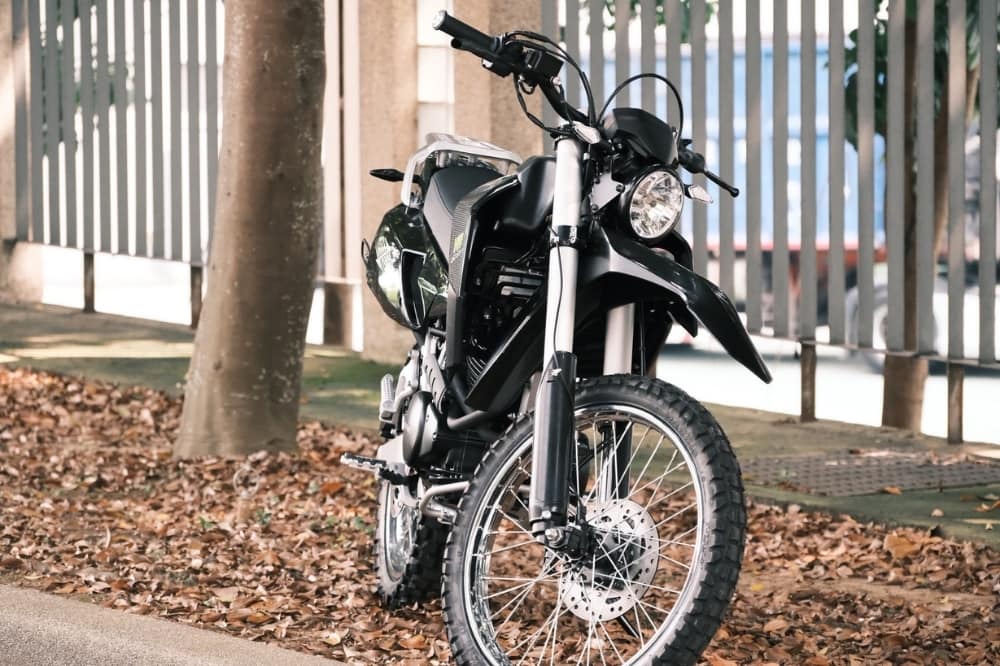
Off-road motorcycles are engineered for rough terrain, equipped with knobby tires and reinforced suspension systems to handle trails, mud, and uneven surfaces. Track motorcycles, by contrast, prioritize speed, aerodynamics, and precise power control, requiring a more aggressive riding posture.
These models are often used in competitive racing, extreme sports, or as performance showcases. The Hartford VR-220HX (DB01A) and VR-450HX (DA01A) deliver strong off-road capability, durable engine design, and confident handling—ideal for riders who want a pure, performance-driven experience.
〈Recommended Motorcycle:VR-220HX (DB01A)、VR-450HX (DA01A)〉
〈Related Reading:Find Your Ride: Comparing Top Motorcycle Brands, Styles, and Buying Tips〉
.jpg)
Motorcycle Type Comparison Overview
| Motorcycle Type | Key Features | Ideal Scenarios | Market Positioning |
|---|---|---|---|
| Naked/Street | Lightweight & agile; upright riding position; easy handling with low seat height; the top choice for beginners | Daily city commuting; short-distance trips | The best-selling core category in the market |
| Adventure (ADV) / Dual-Sport | Excellent suspension; high ground clearance; built for both long distances and varied terrain | City commuting; light off-roading; adventure touring | An emerging segment catering to premium riders seeking versatility and long-range capability |
| Off-Road/Dirt Bike | Stripped-down structure; knobby tires; long-travel suspension | Rugged terrain (mountains, mud, riverbeds); forest trails; competitive motocross | Specialized market for professional racing and off-road enthusiasts |
| Sportbike / Superbike | High-performance power; aerodynamic fairing design | Professional or amateur track use | Professional racing sponsorships; extreme sports competition |
(The mobile version allows you to swipe left and right.)
How to Choose the Right Motorcycle: Practical Buying Considerations
Choosing a motorcycle is about more than just looks. To find the perfect ride, you need to realistically evaluate three key areas: intended use, power requirements, and maintenance needs. Here are the three essential factors to consider:
Intended Use: Commuting, Touring, or Brand Applications
For urban commuting or delivery use, a lightweight 150cc motorcycle offers easy maneuverability, quick starts, fuel efficiency, and hassle-free parking.
For long-distance travel or cross-city riding, comfort and vibration control become more important—making multi-purpose motorcycles or larger retro-style street bikes a better fit. For brand displays or promotional fleets, classic designs with strong visual identity tend to attract attention while still offering enjoyable ride quality.
〈Related Reading:Best Commuter Motorcycles|Your Complete Guide to Choosing and Upgrading〉
Engine Size and Performance Needs
-
Under 150cc:Ideal for short commutes; easy to park and cost-effective. Best for daily work trips and navigating city streets.
-
250cc-550cc:Balanced for highway riding and intercity travel. The power is sufficient for carrying a passenger or climbing steep hills.
-
Over 550cc:Powerful performance tailored for high-speed cruising or long-distance touring. However, parking and handling in congested city traffic require more experience.
Maintenance and Parts Availability
For budget-conscious riders, maintenance is just as important as performance. A brand’s after-sales service and parts availability directly impact your peace of mind on every ride. Hartford provides comprehensive support with a stable supply of easy-to-find parts. This keeps your bike in top shape and ensures small issues don't turn into big headaches.
〈Related Reading:Scooter vs Manual Motorcycle Shock Absorbers | Types, Inspection, and Maintenance〉
Beginner Tips: Understanding Gears and Road Conditions
Don't be nervous about riding a manual motorcycle—it is easier than you think! Just remember the "1-N-2-3-4-5" pattern, and you'll be fine on the road. First gear provides high torque but slow speeds, making it perfect for pulling away, low-speed crawling, or starting on steep hills. Once you pick up speed, shift into 2nd or 3rd gear for smooth acceleration in the city or taking turns in alleys. When the road clears and your speed stabilizes, move up to 4th or 5th gear; this keeps the engine RPM low, making your ride more fuel-efficient and comfortable.
Gear Selection for Different Riding Situations
-
Starting Off:To start your motorcycle, shift into first gear. Gradually release the clutch with your left hand while gently twisting the throttle with your right. Take your time to ensure a smooth forward motion.
-
Uphill Climbing:When approaching an incline, downshift early instead of waiting for the engine to lose power. Using a lower gear keeps the engine in its torque band, allowing the bike to climb steadily without stalling.
-
Downhill Riding:For descents, downshift one or two gears to utilize engine braking for speed control. This prevents brake fade from overheating and keeps the bike stable, making it much easier to react to unexpected road conditions.
〈Related Reading:Tips for Maintaining Water-Cooled Engines, System Comparisons, and Top Recommendations to Upgrade Your Riding Experience!〉
Safety Tips and Essential Riding Gear
Manual bikes offer a thrilling ride, but safety always comes first. From quick pre-ride checks and good riding habits to choosing the right protective gear, every small detail helps minimize risk and lets you enjoy the ride with peace of mind.
1.Pre-Ride Checks
Before starting your motorcycle, always perform a quick pre-ride check. First, inspect the tire pressure and tread depth, as these affect grip and cornering stability. Next, test the clutch and brakes to ensure smooth operation without any sticking. Then, verify that the headlights and turn signals are working correctly. Also, check the engine oil and brake fluid levels to ensure they are within the standard range. Finally, don't forget to inspect the undercarriage and chain for any looseness or dryness that may require lubrication.
〈Related Reading:Scooter vs Manual Motorcycle Shock Absorbers | Types, Inspection, and Maintenance〉
2.Riding Awareness
For beginner riders, don't rush onto the road. Start by practicing in a safe, open space. Focus on mastering the basics—starting, shifting gears, and low-speed control—until they become second nature. When you're ready for traffic, always keep a safe distance from the car in front and avoid sudden braking or acceleration.
Be extra careful in the rain or when riding over wet road markings and manhole covers; since motorcycles can easily slide with abrupt movements, be sure to slow down. For night riding, pay close attention to your lighting and wear high-visibility gear so others can see you. Staying alert is the best way to minimize risk.
3.Protective Gear Essentials
When purchasing motorcycle gear, always check for local or international safety certifications. It is highly recommended to wear a full-face helmet for complete head and chin protection. For clothing, choose abrasion-resistant jackets and pants equipped with armor at the shoulders, elbows, back, and knees to minimize injury risks. Riding gloves with knuckle guards not only protect your hands but also provide a better grip for operating the throttle, clutch, and brakes. Finally, riding boots should fully cover your ankles to prevent injury during a fall, while a stiff sole makes frequent gear shifting much easier.
Conclusion
A motorcycle delivers more than speed—it delivers control, engagement, and a true riding experience. Whether you’re looking for a practical street motorcycle or a performance-focused off-road or track model, the Hartford team offers professional consultation and reliable after-sales support to help you find the right motorcycle for your needs. Interested in building a standout fleet for brand events or upgrading your riding experience? Contact ustoday to learn more.
〈Related Reading:How Did Hartford Motorcycles from Taiwan Conquer the Global Market?〉
〈Related Reading:What Can You Modify on a Motorcycle? A Complete Guide to Motorcycle Mods and Safety Considerations〉


Hartford
At Hartford, we turn motorcycle passion into innovation. Under our "Heart for You" spirit, we deliver high-quality, human-centric designs for diverse needs. We offer manual-transmission motorcycles and scooters, actively expanding our brand globally and domestically.
Beyond bikes, Hartford provides mobility solutions like electric golf carts in Taiwan. With a professional team and customer-first approach, we aim to be a global brand representing Taiwan, bringing a convenient and exciting mobile lifestyle to for customers worldwide.
Article Classification
Recent Articles
- Off-Road Motorcycle Buying Guide: How to Choose the Right Bike, Engine Size, and Safety Gear
- Motorcycle Horsepower vs Torque: Key Performance Differences You Should Know Before Buying
- Are 150cc Motorcycles Worth It? Pros, Cons & Class Differences Explained
- Is a 250cc Motorcycle Worth It? Key Differences from 150cc & Top Picks
- Manual Motorcycle vs Scooter: Riding Basics, Buying Guide & Top Picks