
BLOG
More related information

- Home
- Blog
- Motorcycle Knowledge
- Understanding Motorcycle Brake Systems:Drum Brakes, Disc Brakes, CBS, and ABS
Understanding Motorcycle Brake Systems:Drum Brakes, Disc Brakes, CBS, and ABS
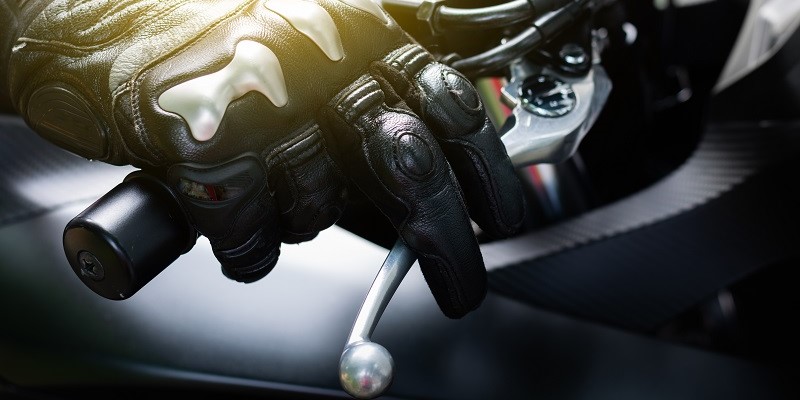
When purchasing a scooter or motorcycle, many buyers focus on aesthetics, horsepower, or fuel efficiency, often overlooking the most critical safety feature: the motorcycle brake system. The quality of the braking system directly impacts stability and emergency control. This article provides a comprehensive guide to motorcycle brakes, covering basic types, advanced assistive technologies, selection tips, and maintenance essentials to help you master your safety on the road.
Types of Motorcycle Brake Systems: Drum, Disc, CBS, and ABS
The primary braking methods are categorized into traditional drum brakes and modern disc brakes, supplemented by safety technologies like CBS (Combined Braking System) and ABS (Anti-lock Braking System).
1. Drum Brakes
A drum brake is a traditional enclosed motorcycle brake system. It works by placing brake shoes (pads) inside a cylindrical drum. When the rider applies the brake, a linkage forces the shoes outward against the inner wall of the drum, creating friction to slow the vehicle.
The advantages of a drum motorcycle brake lie in its simple structure and strong sealing, which effectively block rainwater and grit from entering, resulting in high durability and low maintenance costs. However, the enclosed space also brings the disadvantage of poor heat dissipation, which easily leads to brake fade during frequent braking. This type of motorcycle brake system is suitable for commuters or riders who mainly travel at low to medium speeds; for daily riding in flat urban areas, drum brakes can satisfy basic needs.
〈Further Reading:Best Commuter Motorcycles|Your Complete Guide to Choosing and Upgrading〉
What is Brake Fade?
This occurs when high temperatures from friction cannot dissipate quickly enough, causing a temporary loss of braking power. If your brake lever feels "spongy" or you smell burning during a long downhill ride, it is a warning sign of brake fade.
2. Disc Brakes
Disc brakes are the mainstream choice for modern motorcycle brake systems. They use hydraulic pressure to push a caliper, which clamps down on a spinning disc (rotor) like a pair of pliers.
The advantages of a motorcycle brake (disc type) lie in its excellent heat dissipation performance, which allows it to maintain stable braking force even under high-intensity operation. However, the disadvantage is that its precise structure leads to higher manufacturing costs and subsequent maintenance expenses. Currently, disc brakes are mostly configured on the front wheel, while high-end or performance-oriented motorcycles will adopt disc brakes for both the front and rear wheels. This motorcycle brake system is suitable for long-distance riding or road sections that require frequent braking.
〈Further Reading:Adventure Motorcycle Touring: Choosing the Perfect Long-Distance Bike for Safety and Comfort〉
Comparison: Drum Brakes vs. Disc Brakes
| Feature | Drum Brakes | Disc Brakes |
|---|---|---|
| Mechanism | Shoes expand outward against a drum. | Pistons clamp pads against a disc. |
| Advantages | Low cost, easy maintenance. | Strong power, fast cooling, sensitive feel. |
| Disadvantages | Poor cooling (brake fade), weaker force. | Higher cost, requires regular fluid/pad changes. |
| Target User | Low-speed commuters, light scooters. | Mid-to-high-end bikes, high-speed riders/ mountain riding |
3. CBS (Combined Braking System)
The CBS motorcycle brake system links the front and rear brakes via a hydraulic distributor or mechanical linkage. When you pull a single lever, the system automatically distributes braking force to both wheels. This prevents "fishtailing" from rear-only braking or "stoppies" from front-only braking, making it ideal for beginners.
4. ABS (Anti-lock Braking System)
The ABS (Anti-lock Braking System) utilizes wheel-mounted sensors to monitor tire speed dozens of times per second. When the ECU detects excessive braking force just as a tire is about to lock and slide, it regulates pressure through high-frequency pulse braking, cycling the brakes on and off dozens of times every second.
This rapid pulsing prevents tire lock-up, significantly reducing the risk of skidding, fishtailing, or flipping during emergency stops. It is the only active safety system that allows riders to maintain steering control and stability to maneuver around obstacles, proactively ensuring safety when it matters most.
〈Further Reading: What's the Difference Between Motorcycle ABS and CBS? 〉
Comparison: CBS vs. ABS
| Feature | CBS | ABS |
|---|---|---|
| Operation | Mechanically distributes force to both wheels. | Computer-monitored pulse to prevent lock-up. |
| Pros | Reduces operational error, improves balance. | Maximum safety; prevents skidding in emergencies. |
| Cons | Cannot prevent wheel lock-up in a panic. | Higher cost, complex maintenance. |
| Target User | New riders, city commuters. | All riders (especially high-speed/long-distance). |
〈Further Reading:What Can You Modify on a Motorcycle? A Complete Guide to Motorcycle Mods and Safety Considerations〉
What is UBS (Unified Brake System)?
Used by specific brands, the Unified Brake System (UBS) follows the same concept as CBS, using a balance bar or hydraulic lines to distribute force between the wheels. When the rider applies the left brake lever, the system automatically engages the front brake to stabilize the bike, significantly reducing the risk of instability or single-wheel lock-up caused by operating the rear brake alone.
How to Choose a Motorcycle Brake System? Safety First!
When choosing a motorcycle brake system, you can evaluate based on your riding habits, daily riding time, terrain, as well as safety requirements and vehicle budget.
Motorcycle Brake Selection Consideration 1: Riding Habits and Environment
Different riding habits have very different demands for braking force. If you usually only commute at low speeds in the city or pick up/drop off others, choosing drum brakes and a CBS motorcycle brake system, which are easy to maintain, can meet daily needs. However, if you frequently travel on mountain roads, carry passengers, or ride at high speeds, it is recommended to use disc brakes paired with ABS as the motorcycle brake standard to better handle unexpected situations.
Motorcycle Brake Selection Consideration 2: Budget
The construction cost of the braking system is proportional to the vehicle price. The price ranking is "Drum Brake < Disc Brake < CBS Disc Brake < ABS Disc Brake." Although the purchase cost of ABS and disc brake models is higher, and subsequent maintenance costs are also more expensive, they provide better protection in emergency moments and reduce collision losses for the motorcycle.
〈Further Reading:What Is Fuel Efficiency? Improving Fuel Consumption for a Greener Environment! 〉
Motorcycle Brake Selection Consideration 3: Safety Requirements and Technical Threshold
Novice riders are less precise in distributing braking force and should prioritize motorcycle brake models equipped with CBS or ABS, using electronic or mechanical assistance to correct operational errors. Multiple data points show that motorcycles equipped with ABS can effectively reduce the risk of loss of control and accidents in emergency braking scenarios. The anti-lock characteristic is very suitable for beginners, the elderly, or riders who enjoy high speeds and mountain roads.
〈Further Reading:Scooter vs Manual Motorcycle Shock Absorbers | Types, Inspection, and Maintenance〉
Understand Correct Motorcycle Brake Habits to Improve Riding Safety!
Anticipate Early and Decelerate Gradually
When slowing down a motorcycle, you should first release the throttle early to use engine braking for natural deceleration, then follow the principle of "front brake as primary, rear brake as secondary." The front wheel provides about 70% of the braking force, while the rear wheel is responsible for 30% of the force to stabilize the vehicle's posture. When operating, fingers must never squeeze the lever to a full stop at once; pressure should be applied from light to heavy in a stable and linear manner. The correct ratio allows the front suspension to sink moderately, keeping the tire tread close to the ground to increase grip, effectively shortening the braking distance and reducing the risk of skidding.
Response Methods for Emergency Braking
When facing sudden situations such as a vehicle cutting in or a pedestrian rushing out, the primary task is to keep the vehicle upright and hold the handlebars firmly with both hands, looking toward the distance where you plan to evade rather than staring at the obstacle. In terms of operation, the front motorcycle brake force should be increased in segments at a faster pace, while the rear brake remains steadily pressed. This progressive heavy braking allows the vehicle's center of gravity to transfer smoothly to the front wheel, increasing the contact area of the front tire. Even without ABS, this can minimize the chance of tire lock-up.
Precautions for Slippery Ground in Rainy Weather
When riding in the rain, standing water, oil stains, or slippery crosswalks and manhole covers are the main causes of skidding. The correct approach is to complete deceleration before reaching these areas, avoiding any drastic braking or steering actions on materials with extremely low grip. If you must use the motorcycle brake system on wet ground, the force should be lighter and slower than usual, allowing for more reaction space.
Develop Good Motorcycle Braking Habits through Daily Practice
It is recommended to find an open and safe enclosed area to practice. Set different speed intervals such as 20, 40, and 60 kilometers to actually experience the stopping distance required for different front and rear braking ratios at various speeds. Through repeated practice, become familiar with the changes in braking force and feel, and carefully sense your bike's weight transfer, tire grip limits, and suspension feedback during deceleration. Turning correct actions into muscle memory will allow you to react instinctively during emergencies.
〈Further Reading: Scooter Buying Guide|How to Choose a 50–150cc Scooter and Master the Commuter Market〉
A Complete Summary of Braking Techniques for Manual Motorcycles!even Beginners Can Operate with Peace of Mind
The operating logic for braking a manual motorcycle is slightly different from a general scooter. In addition to the coordination of all four limbs, it requires the cooperation of gear positions and engine speed (RPM). Below are the key points of a manual motorcycle brake system organized to help novice riders confidently handle various road conditions.
〈Further Reading: Beginner Motorcycle Buying Guide | A Practical Guide from Riding Experience to Smart Selection〉
Manual Motorcycle Braking Point 1: Utilize Engine Braking
After releasing the throttle, a manual motorcycle brake can utilize the internal movement resistance of the engine to assist in deceleration. Using engine braking on long downhills or before entering a corner can effectively reduce the load on the brake pads and avoid failure due to brake fade. In addition, engine braking provides continuous traction, enhancing vehicle stability during the deceleration process.
〈Further Reading: Tips for Maintaining Water-Cooled Engines, System Comparisons, and Top Recommendations to Upgrade Your Riding Experience! 〉
Manual Motorcycle Braking Point 2: Close the Throttle First During Emergency Braking
When full braking is required in an emergency, the sequence of actions for a manual motorcycle brake is very important: quickly release the throttle, apply both front and rear brakes simultaneously, and pull the clutch only after the speed has dropped significantly and just before the engine begins to shudder (it is recommended that beginners pull both the brake and clutch simultaneously in an emergency). Pulling the clutch is meant to cut off power, preventing the engine from stalling—which could cause the rear wheel to lock—and maintaining vehicle controllability so the rider can quickly select the appropriate gear to restart after stopping.
Manual Motorcycle Braking Point 3: Match Downshifting and Throttle Blips as RPM Drops
When the RPM drops and a downshift is required, "blip" the throttle slightly at the moment of downshifting to precisely match the engine speed with the tire speed. Downshifting while maintaining RPM makes gear transitions smoother, avoiding instances where a large difference in engine speed causes the rear wheel to jerk, lock up, or produce a severe jolting sensation, making the deceleration process much smoother.
〈Further Reading: Manual Motorcycle Price Guide | Price Ranges by Displacement & Ownership Costs at a Glance! 〉
How to Perform Daily Maintenance and Inspection for a Motorcycle Brake?
Daily maintenance and periodic inspection of a motorcycle brake are also very important. Correct maintenance of the motorcycle brake system not only extends the lifespan of system components but also makes every ride safer and prevents accidents.
Key Points for Daily Motorcycle Brake Inspection
It is recommended that riders develop the habit of regularly inspecting their braking system. Below are several basic inspection points:
- Confirm brake fluid level: Observe whether the brake fluid is below the lower limit of the sight glass to avoid insufficient fluid affecting braking performance.
- Check the feel of the lever or pedal: When operating the brake, notice if the feel has become too soft or "spongy."
- Inspect brake pad and brake shoe thickness: If they are worn down to the wear indicator line, they should be replaced immediately.
- Check the condition of hoses and connectors: Confirm if the hoses have cracks, signs of aging, or oil leaks to ensure the hydraulic system can maintain stable pressure.
Motorcycle Brake Maintenance Methods and Precautions
Brake fluid is hygroscopic, meaning it easily absorbs moisture over long periods of use. This causes the boiling point to drop, which can lead to vapor lock and affect braking power. Therefore, it is recommended to replace the brake fluid every 1 to 2 years or every 20,000 kilometers. If you find that the brake pads are severely worn, the brake drum has excessive buildup, or the disc shows abnormal conditions such as uneven wear or warping, these issues must be handled as soon as possible. Regularly cleaning the dust accumulated in the motorcycle brake system and choosing high-quality consumables will maintain stable and effective braking performance.
Hartford Is Equipped with a High-quality Motorcycle Brake System, Giving You More Peace of Mind While Riding!
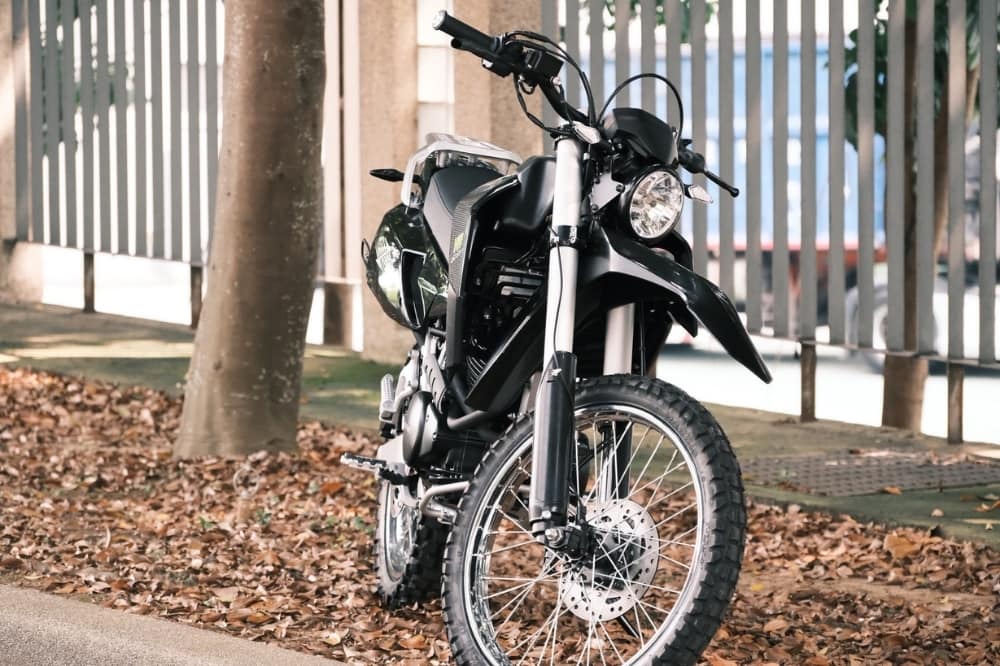
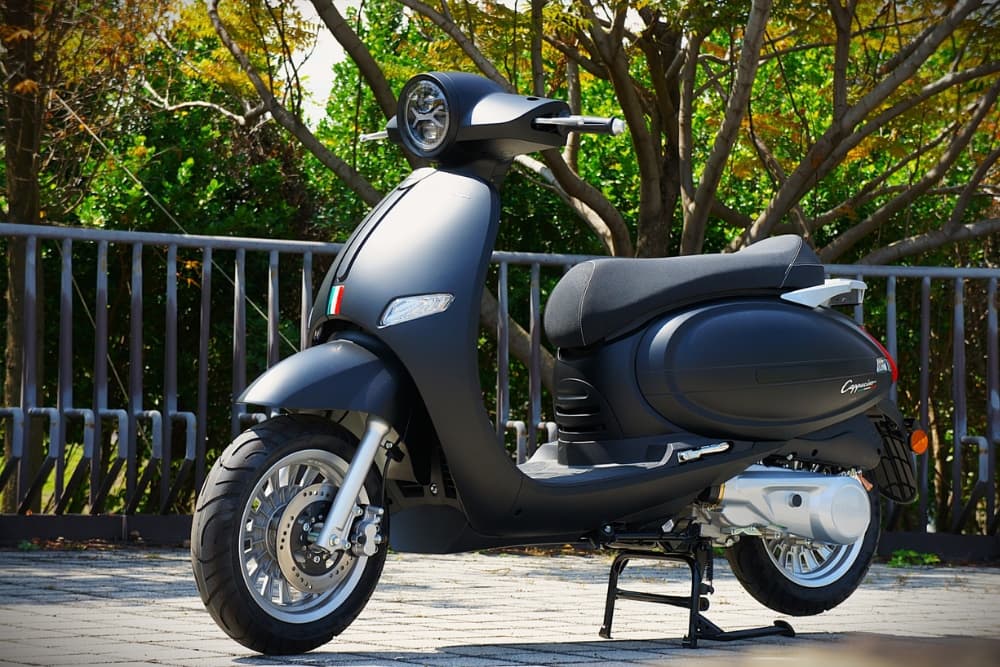
Hartford offers a diverse range of models, covering general scooters and classic manual motorcycles, with product designs that prioritize riding safety. Among the classic models, the UK450 is equipped with front and rear dual-channel ABS and dual disc brakes, providing the highest standard of protection; the VR450 uses front-wheel single-channel ABS paired with front and rear disc brakes, balancing safety needs for both off-road and street use; the retro-style scooter, Cappuccino 150, is equipped with front-wheel single-channel ABS and a front disc brake.
These motorcycle brake systems feature different configurations based on diverse riding needs, demonstrating Hartford's commitment to rider safety. This ensures that while you enjoy the pleasure of riding, you also have superior protection from your manual motorcycle brake and overall motorcycle brake system.
〈Recommended Motorcycle:UK450 、VR-450HX、Cappuccino 150〉
〈Further Reading: How Did Hartford Motorcycles from Taiwan Conquer the Global Market? 〉
.jpg)
Conclusion
A motorcycle brake system is essential for enhancing riding safety. Whether you choose drum brakes or disc brakes, CBS or ABS, only by developing correct braking habits and performing regular maintenance can you keep the motorcycle brake system in optimal condition, ensuring every ride is safe and worry-free. Regarding safety configurations, every Hartford model is equipped with a suitable motorcycle brake system to provide excellent safety that meets the needs of all types of riders. We welcome you to contact us immediately to learn more about Hartford models and find the scooter or manual motorcycle that fits you best.
〈Further Reading:Find Your Ride: Comparing Top Motorcycle Brands, Styles, and Buying Tips〉


Hartford
At Hartford, we turn motorcycle passion into innovation. Under our "Heart for You" spirit, we deliver high-quality, human-centric designs for diverse needs. We offer manual-transmission motorcycles and scooters, actively expanding our brand globally and domestically.
Beyond bikes, Hartford provides mobility solutions like electric golf carts in Taiwan. With a professional team and customer-first approach, we aim to be a global brand representing Taiwan, bringing a convenient and exciting mobile lifestyle to for customers worldwide.
Article Classification
Recent Articles
- Off-Road Motorcycle Buying Guide: How to Choose the Right Bike, Engine Size, and Safety Gear
- Motorcycle Horsepower vs Torque: Key Performance Differences You Should Know Before Buying
- Are 150cc Motorcycles Worth It? Pros, Cons & Class Differences Explained
- Is a 250cc Motorcycle Worth It? Key Differences from 150cc & Top Picks
- Manual Motorcycle vs Scooter: Riding Basics, Buying Guide & Top Picks