
BLOG
More related information
- Home
- Blog
- Motorcycle Knowledge
- How to Choose Your Motorcycle CC? A Complete Guide to Classifications, Uses, and Performance
How to Choose Your Motorcycle CC? A Complete Guide to Classifications, Uses, and Performance
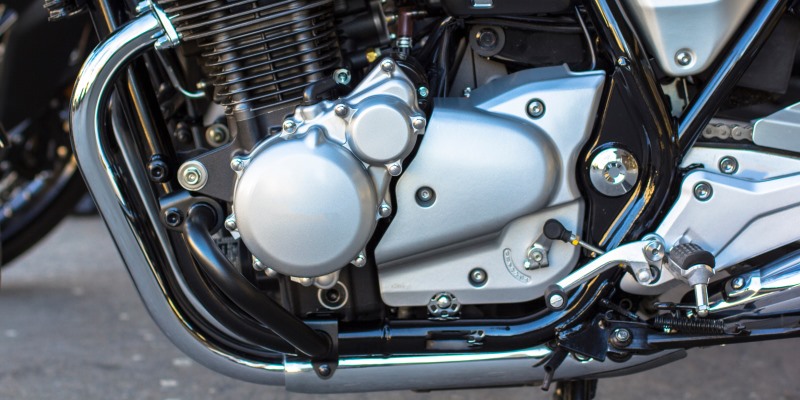
Do you wonder why some bikes feel incredibly powerful while others are prized for being fuel-efficient and durable? The key lies in the motorcycle cc, a universal standard for engine displacement.
A motorcycle cc rating doesn’t just dictate how much power an engine produces; it also impacts fuel consumption, maintenance costs, license regulations, and the overall category of the bike. Understanding these classifications is often more important than picking a bike based on looks alone. This guide will walk you through the basic concepts, common categories, and riding characteristics of different displacements to help you find your perfect match.
What is Motorcycle CC? A Beginner’s Guide to Displacement
"CC" stands for Cubic Centimeters, which measures the volume of the engine's cylinders. The higher the number, the more air and fuel the cylinder can hold, resulting in a more powerful combustion stroke.
Beyond performance, many countries use motorcycle cc to define legal classes—ranging from light mopeds to heavy-duty motorcycles. Knowing what these numbers mean and how they fit into different riding scenarios will ensure you don't end up with a bike that doesn't suit your lifestyle.
How Does Motorcycle CC Affect Your Ride?
The larger the motorcycle cc, the higher the torque and horsepower. This translates to punchier acceleration from a stop and less strain when climbing hills or carrying a passenger. Conversely, smaller displacement bikes offer gentler power but are lighter, more agile, and highly fuel-efficient for city commuting.
However, a larger motorcycle cc usually means a heavier frame, higher manufacturing costs, and increased long-term expenses for maintenance and fuel. We recommend evaluating your riding habits and typical road conditions before settling on a specific displacement.
〈Further Reading:What Is Fuel Efficiency? Improving Fuel Consumption for a Greener Environment!〉
Motorcycle CC Classifications: From Light to Heavy Duty
The international market generally categorizes bikes based on their displacement. While local laws vary, the following four categories are the most common:
Under 50cc: Lightweight Mopeds
These are designed to be compact and easy to operate. They offer the best fuel economy and the lowest maintenance costs, making them ideal for short-distance city trips. However, they lack the power for heavy hills or passengers. Today, many riders opt for 100cc–125cc models instead due to better versatility.
51cc – 250cc: Standard Motorcycles
This range includes the popular 125cc and 150cc models. They provide enough power for daily commuting, occasional hill climbing, and carrying passengers. Brands like Hartford offer a wide variety of bikes in this motorcycle cc range, catering to everything from basic office commutes to riders seeking unique styles and upgraded features.
〈Further Reading:Best Commuter Motorcycles|Your Complete Guide to Choosing and Upgrading〉
〈Further Reading:How Did Hartford Motorcycles from Taiwan Conquer the Global Market?〉
251cc – 550cc: Mid-Sized Heavy Motorcycles
These bikes offer significantly more power than light models, allowing for stable speeds on expressways. Because the engine and frame are larger, these bikes feel more "planted" at high speeds, reducing vibrations during long-distance travel or intercity commutes.
Over 551cc: Large Heavy Motorcycles
Designed for high horsepower and torque, these machines are exceptionally stable at high speeds. They often come with premium features and electronic rider aids, making them favorites among enthusiasts. However, they come with higher ownership costs, including insurance, fuel, and specialized maintenance.
Motorcycle CC Comparison Table
| Engine Size (cc) | Performance & Characteristics | Fuel Economy & Maintenance | Primary Use Cases |
|---|---|---|---|
| Below 50cc | Low power output; gentle acceleration; ultra-lightweight and easy to handle. | Best fuel efficiency; simple design; extremely low maintenance costs. | Very short commutes; ride-sharing; low-speed urban travel. |
| 51cc - 250cc | Quick urban acceleration; models above 150cc offer a noticeable boost for hills and passing. | Excellent fuel economy; widely available parts; straightforward maintenance. | Daily commuting; delivery services; weekend outings or riding with a passenger. |
| 251cc - 550cc | Capable of long-distance high-speed cruising; sufficient power for most expressways. | Fuel consumption increases with power; higher specs for tires/oil; maintenance costs can double. | Expressway commuting; long-distance travel across cities; entry-level heavy bikes. |
| Above 550cc | High horsepower and torque; very stable at high speeds with minimal vibration. | Requires experienced handling; highest costs; fuel consumption is close to a small car. | Motorcycle enthusiasts; performance riding; premium touring needs. |
How to Choose Your Motorcycle CC? Smart Selection Based on Usage
Daily Commuting & Commercial Logistics (50cc–150cc)
If you are a rider whose primary purpose is daily commuting to work or school, or if you work in delivery and logistics, models ranging from 50cc to 150cc are a highly practical choice. These bikes are not complex to operate and are very beginner-friendly, allowing new riders to adapt quickly. Furthermore, parts for these models are easy to find and maintenance costs are relatively affordable. For delivery riders who need to be on the road every day, fuel expenses are easier to control, ensuring that the long-term financial burden of ownership remains manageable.
〈Further Reading:Scooter Buying Guide|How to Choose a 50–150cc Scooter and Master the Commuter Market〉
Intercity Commuting & Weekend Leisure (250cc–400cc)
If your riding range extends to intercity routes or if you have demands for riding with a passenger or going on weekend excursions, models from 250cc to 400cc are classified in many global markets as "Middleweight Commuting and Leisure" types. Beyond having stronger load-bearing capacity, they provide sufficient power reserves for long-distance riding. Even when carrying a passenger, these bikes can maintain a stable cruising speed, offering higher safety and comfort levels compared to lightweight models.
〈Further Reading:Beginner Motorcycle Buying Guide | A Practical Guide from Riding Experience to Smart Selection〉
Advanced Riders or Brand Prestige (550cc and Above)
Riders who are passionate about long-distance touring, heavy motorcycle culture, or prioritize brand status typically choose large heavy motorcycles with a motorcycle cc of 550cc or higher. These models are very common in the North American, European, and Japanese markets. In addition to impressive horsepower, bikes in this class are usually equipped with high-end features, such as advanced electronic rider aids and safety systems, while also carrying a certain degree of brand symbolism. However, stronger power comes with higher costs; the purchase price, fuel consumption, and maintenance expenses will all increase significantly. Combined with the heavier weight of the bike, the threshold for handling is also relatively higher.
〈Further Reading:Adventure Motorcycle Touring: Choosing the Perfect Long-Distance Bike for Safety and Comfort〉
Must-Read Before You Buy! Common Motorcycle CC FAQ
Does a Larger Motorcycle CC Mean the Bike Is Faster?
While a larger motorcycle cc generally means the motorcycle has more power and better acceleration, the top speed is also influenced by factors such as vehicle weight, gear ratios, and aerodynamic design. It is inaccurate to judge speed based solely on motorcycle cc; the overall design specifications of the model are the comprehensive basis for determining performance.
〈Further Reading:Scooter vs Manual Motorcycle Shock Absorbers | Types, Inspection, and Maintenance〉
〈Further Reading:What's the Difference Between Motorcycle ABS and CBS?〉
Can Beginners Ride Motorcycles Over 150cc?
If it is your first time purchasing a motorcycle or if you are a novice rider, it is recommended to start with models in the 125cc to 150cc range. The power output in this bracket is moderate and easier to master in terms of control. Once you have ridden for a while and become familiar with the feel of the throttle, brakes, and cornering, you can then consider upgrading to a larger motorcycle cc for a safer transition.
〈Further Reading:Understanding Motorcycle Brake Systems:Drum Brakes, Disc Brakes, CBS, and ABS〉
Does Motorcycle CC Affect Fuel Consumption?
Generally speaking, an engine with a larger motorcycle cc requires more fuel for each combustion cycle, leading to higher fuel consumption. However, actual fuel efficiency is also affected by riding habits, road terrain, and the level of engine technology. Modern engine tech is constantly improving, and some larger displacement models have shown significant progress in fuel control. Therefore, one should not use motorcycle cc classifications as the sole criterion for judging fuel economy.
〈Further Reading:Motorcycle Maintenance Guide: How Often and What to Check?〉
Is There a Big Difference Between 125cc and 150cc?
If you are simply commuting within the city every day, the difference between 125cc and 150cc is not particularly noticeable. However, when encountering steep hills, riding with a passenger, or needing to overtake, the power of a 150cc engine becomes significantly more apparent. Acceleration feels smoother without needing to twist the throttle as deeply, making for a more relaxed ride. If your budget allows and your riding environment occasionally involves slopes or passengers, the overall user experience of a 150cc bike is superior.
Conclusion
From lightweight models for short-distance city commuting to mid-sized bikes for intercity travel and large heavy motorcycles for long-distance touring, every motorcycle cc classification offers different power outputs and ideal use cases. There isn't one "best" choice; the key is to choose based on your specific needs and riding habits.
If you are looking for a trustworthy motorcycle brand or partner, Hartford places high quality and user-centric design at its core. Our lineup covers a wide range of options from 125cc to 450cc, meeting the diverse demands of various markets. Contact us today to learn more about our motorcycle cc specifications and partnership opportunities.


Hartford
At Hartford, we turn motorcycle passion into innovation. Under our "Heart for You" spirit, we deliver high-quality, human-centric designs for diverse needs. We offer manual-transmission motorcycles and scooters, actively expanding our brand globally and domestically.
Beyond bikes, Hartford provides mobility solutions like electric golf carts in Taiwan. With a professional team and customer-first approach, we aim to be a global brand representing Taiwan, bringing a convenient and exciting mobile lifestyle to for customers worldwide.
Article Classification
Recent Articles
- Off-Road Motorcycle Buying Guide: How to Choose the Right Bike, Engine Size, and Safety Gear
- Motorcycle Horsepower vs Torque: Key Performance Differences You Should Know Before Buying
- Are 150cc Motorcycles Worth It? Pros, Cons & Class Differences Explained
- Is a 250cc Motorcycle Worth It? Key Differences from 150cc & Top Picks
- Manual Motorcycle vs Scooter: Riding Basics, Buying Guide & Top Picks