
BLOG
More related information
- Home
- Blog
- Motorcycle Knowledge
- Motorcycle Types Explained: How to Choose the Right Motorcycle for You
Motorcycle Types Explained: How to Choose the Right Motorcycle for You
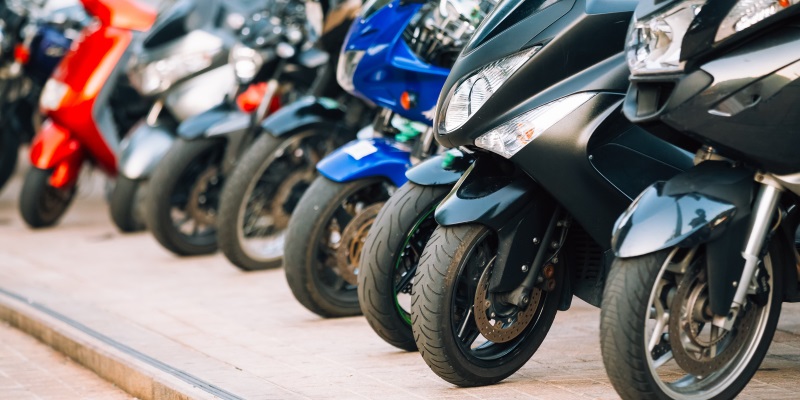
When you walk into a motorcycle shop, and you’ll see a wide variety of models—from affordable everyday scooters to powerful large-displacement motorcycles that can cost hundreds of thousands of dollars. So, how do you choose the right one?
For beginners who are new to motorcycles, simply understanding the different types of motorcycle can already feel overwhelming. This guide introduces the most common types of motorcycles on the market and explains them in a simple way, helping you choose the right motorcycle based on your real riding needs—so you won’t end up buying the wrong one and regretting it later.
Motorcycle Types: 5 Categories You Should Know
To understand different motorcycle types, they are usually categorized based on their transmission system, intended use, and performance design. These factors directly influence how the motorcycle feels when you ride it.
Below is a simple introduction to motorcycle types ,so you can understand the structural differences and riding experiences of each category.
Motorcycle Type 1. Scooters
Scooters are the most common motorcycle type on the street. You simply twist the throttle to ride—there’s no need to shift gears like a manual motorcycle.
The brakes are located on both sides of the handlebars, similar to bicycles, which makes them extremely easy to operate. Scooters also typically feature a flat floorboard and under-seat storage, making them convenient for groceries, backpacks, or helmets. Because of their practicality, scooters are the most popular choice for daily commuters.
〈Further Reading:Scooter Buying Guide|How to Choose a 50–150cc Scooter and Master the Commuter Market〉
Motorcycle Type 2. Manual Motorcycles
Manual motorcycles require more coordination from the rider. Your left hand controls the clutch while your left foot shifts gears, making the operation more complex than scooters. They also typically lack built-in storage space, and riding in city traffic often requires frequent gear changes.
However, manual motorcycles give riders full control over engine power and provide a much more engaging riding experience. They are ideal for those who enjoy performance riding, mountain roads, or long-distance touring.
〈Further Reading:Motorcycle Buying Guide: Types, Performance, and Safety Tips to Help You Choose the Right Bike!〉
Motorcycle Type 3. Large-Displacement Motorcycles
Large displacement motorcycles generally refer to motorcycles with an engine displacement above 250cc. These bikes offer strong power and can handle various road conditions with ease. They are also known for their excellent high-speed stability, making them suitable for long-distance travel. Their strong acceleration and comfortable suspension systems help reduce rider fatigue during extended rides.
〈Further Reading:Tips for Maintaining Water-Cooled Engines, System Comparisons, and Top Recommendations to Upgrade Your Riding Experience!〉
Motorcycle Type 4. Off-Road Motorcycles
If you enjoy riding in the mountains or exploring trails, off-road motorcycles are a great option.
They feature long-travel suspension systems and thick tires with strong grip. Their taller and lighter frames allow them to handle both paved roads and rough terrain such as dirt roads, gravel paths, or muddy trails.
Motorcycle Type 5. Electric Motorcycles
Electric motorcycles use battery power to drive an electric motor instead of a traditional fuel engine. Because of this, they produce zero emissions and are much more environmentally friendly.
However, electric motorcycles typically have a limited range—typically around 100 to 200 kilometers, depending on the model and riding habits. Riders planning longer trips should consider the availability of charging stations along the route.
〈Further Reading:Adventure Motorcycle Touring: Choosing the Perfect Long-Distance Bike for Safety and Comfort〉
How to Choose the Right Motorcycle?Evaluating Your Needs and Budget Is Essential!
When choosing a motorcycle, appearance alone shouldn’t be the deciding factor. If a bike doesn’t match your actual needs, it may end up sitting unused in your garage. Here are several practical factors to consider when choosing the right motorcycle.
Choose the Right Motorcycle Type 1: Consider Your Primary Riding Purpose
If you commute to work daily, frequently run errands, or need to park often, a scooter with storage space will be the most convenient motorcycle option. However, if you enjoy weekend rides, want a more engaging riding experience, or plan to travel between cities on highways, a manual motorcycle or a larger bike will provide better performance.
〈Further Reading:Best Commuter Motorcycles|Your Complete Guide to Choosing and Upgrading〉
Choose the Right Motorcycle Type 2:Evaluate Your Budget
When choosing among different motorcycle types, you should consider not only the purchase price but also maintenance costs.
Scooters and lightweight manual motorcycles generally have lower maintenance expenses. Larger motorcycles, while offering better performance and road access, require higher costs for tires, engine oil, and other consumables, and they also come with higher taxes. Before buying, make sure you can comfortably handle the long-term maintenance costs.
〈Further Reading:Scooter vs Manual Motorcycle Shock Absorbers | Types, Inspection, and Maintenance〉
Choose the Right Motorcycle Type 3: Consider Your Body Size
Besides your budget and needs, your height and body size also play an important role when choosing a motorcycle. It’s recommended that you visit a dealership and sit on the motorcycle to check whether both feet can reach the ground comfortably or at least allow one foot to firmly support the bike. This is especially important for beginner riders.
You should also try moving the motorcycle while standing next to it. If the bike feels too heavy to handle, it may not be the right motorcycle type for you.
Motorcycle Maintenance Tips
Regardless of the motorcycle type—whether it’s a scooter, manual motorcycle, large-displacement bike, off-road bike, or electric motorcycle—regular maintenance is essential for keeping it in optimal condition. For most motorcycles, it’s recommended to change the engine oil every 1,000 kilometers (except electric motorcycles). Riders should also regularly check tire pressure, brake pad wear, lighting systems, and chain tension. These maintenance checks ensure responsive braking and stable handling while helping prevent unexpected problems on the road.
As mileage increases, it’s also recommended to visit a motorcycle shop every 3,000 to 5,000 kilometers for a more comprehensive inspection, including valve adjustments, battery checks, and air filter cleaning. While electric motorcycles don’t require engine oil changes, but riders should monitor battery health and braking system performance.
〈Further Reading:Motorcycle Maintenance Guide: How Often and What to Check?〉
Hartford Motorcycle Lineup: Multiple Options for Every Rider
In the motorcycle market, Hartford Motorcycles has long focused on developing models that combine both style and practicality.
Whether you prefer a retro-style motorcycle, need an affordable commuter bike, or want a machine capable of exploring mountain roads, Hartford offers a variety of motorcycle options to meet different riding styles.
〈Further Reading:Find Your Ride: Comparing Top Motorcycle Brands, Styles, and Buying Tips〉
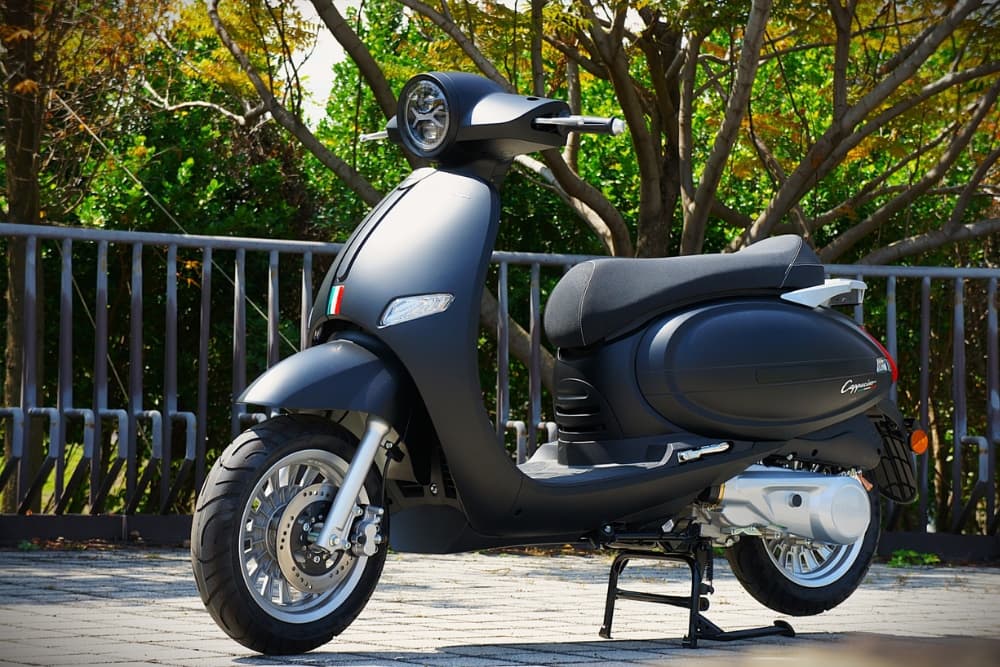
Retro Style Choice: Cappuccino 150
The Hartford Cappuccino 150 features a classic European retro design with smooth and rounded body lines that easily catch attention on the road.
Despite its vintage appearance, this motorcycle is equipped with a 150cc engine, providing sufficient power for city overtaking and uphill riding — even with a passenger. It also comes with 12-inch alloy wheels and a single-channel ABS braking system, making it compact, easy to handle, and perfect for riders who appreciate a stylish urban lifestyle.
〈Recommended Model:Cappuccino 150 (SA03A)〉
〈Further Reading:What's the Difference Between Motorcycle ABS and CBS?〉
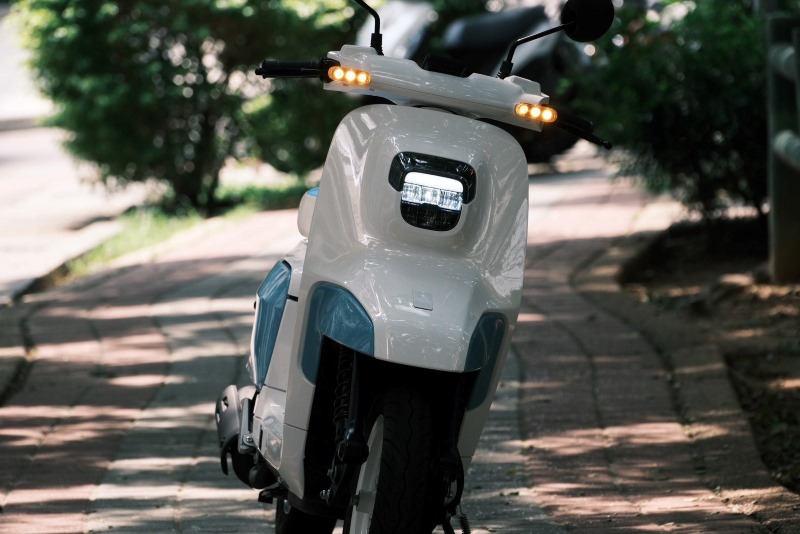
Commuter Favorite: MEWGO 125
If you’re looking for a simple, durable, and affordable commuter motorcycle, the MEWGO 125 is an excellent choice. This model includes a convenient keyless start system, allowing riders to start the motorcycle without searching for keys. It also features front and rear disc brakes with a CBS (combined braking system), providing both safety and convenience for daily commuting.
〈Recommended Model:MEWGO 125〉
〈Further Reading:Understanding Motorcycle Brake Systems:Drum Brakes, Disc Brakes, CBS, and ABS〉
Dual-Purpose Adventure Bike: VR220
For riders who want the excitement of a manual motorcycle without being limited by road conditions, the Hartford VR220 is an ideal option.
Equipped with a 223cc high-torque engine and a six-speed transmission, the VR220 combines street practicality with off-road capability. Its rear multi-link suspension and high-rigidity frame allow it to confidently handle both city traffic and rough rural roads with confidence.
〈Recommended Model:VR-220HX (DB01A)〉
〈Further Reading:Beginner Motorcycle Buying Guide | A Practical Guide from Riding Experience to Smart Selection〉
Motorcycle Types FAQ
Q1. Can scooters handle long-distance riding?
Of course! Long-distance touring on a 125cc scooter is definitely doable. That said, because scooters typically have smaller rim sizes, they lack the high-speed stability of large-wheel motorcycles. Plus, the static riding posture can lead to saddle soreness over long hauls. It’s best to pull over and let the engine rest every 1–2 hours; it’s safer for the rider and easier on the machine.
〈Further Reading:What Is Fuel Efficiency? Improving Fuel Consumption for a Greener Environment!〉
Q2. What license is required for large motorcycles?
Motorcycle licensing requirements vary by country. In Taiwan, riders must be at least 20 years old, hold a standard motorcycle license for over one year, and complete training and road tests. Large motorcycles are divided into yellow-plate and red-plate categories.
In the United States, most states require motorcycle licenses such as M1, M2, or M3, which involve both written and riding tests. Some states also impose restrictions for beginner riders based on engine power.
In the European Union, motorcycle licenses are categorized as A1, A2, and A, progressive licensing rules require riders to gain experience before upgrading to higher license categories.
Q3. Can women ride manual motorcycles?
Absolutely. Many lightweight manual motorcycles today have lower seat heights and lighter frames, making them suitable for female riders. With a bit of practice learning clutch and gear shifting, riding a manual motorcycle can be both enjoyable and empowering.
〈Further Reading:Manual Motorcycle Price Guide | Price Ranges by Displacement & Ownership Costs at a Glance!〉
Q4. How do I find the right motorcycle type for me?
To find the right motorcycle type, consider factors such as your riding purpose, distance, height, budget, riding experience, and test-ride experience. Visiting a dealership and sitting on different models is highly recommended. This allows you to evaluate seat height, throttle response, braking feel, horsepower, fuel efficiency, and overall weight.
Conclusion
There is no universally “best” motorcycle type—the most important thing is finding the one that suits you. Whether you prefer the convenience of a scooter, the control of a manual motorcycle, or the performance of a larger bike, you should carefully evaluate your needs, budget, and body size before making a purchase.
Hartford offers a diverse lineup of motorcycles, each designed with detailed specifications and thoughtful features. If you’re interested in Hartford motorcycles, feel free to contact us for more information.
〈Further Reading:How Did Hartford Motorcycles from Taiwan Conquer the Global Market?〉


Hartford
At Hartford, we turn motorcycle passion into innovation. Under our "Heart for You" spirit, we deliver high-quality, human-centric designs for diverse needs. We offer manual-transmission motorcycles and scooters, actively expanding our brand globally and domestically.
Beyond bikes, Hartford provides mobility solutions like electric golf carts in Taiwan. With a professional team and customer-first approach, we aim to be a global brand representing Taiwan, bringing a convenient and exciting mobile lifestyle to for customers worldwide.
Article Classification
Recent Articles
- Off-Road Motorcycle Buying Guide: How to Choose the Right Bike, Engine Size, and Safety Gear
- Motorcycle Horsepower vs Torque: Key Performance Differences You Should Know Before Buying
- Are 150cc Motorcycles Worth It? Pros, Cons & Class Differences Explained
- Is a 250cc Motorcycle Worth It? Key Differences from 150cc & Top Picks
- Manual Motorcycle vs Scooter: Riding Basics, Buying Guide & Top Picks