
BLOG
More related information

- Home
- Blog
- Motorcycle Knowledge
- Water-Cooled Engines: Tech, Comparisons, and Maintenance
Water-Cooled Engines: Tech, Comparisons, and Maintenance
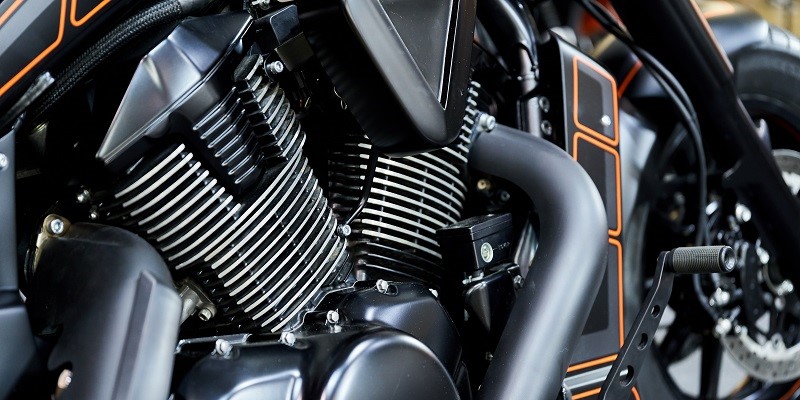
If you're looking for a motorcycle that is stable, durable, and capable of long rides, the engine's cooling system is absolutely key. Water-cooled engines have become the mainstream choice in modern motorcycles due to their efficient heat dissipation and stable performance. By circulating coolant, these systems effectively keep the engine operating within an ideal temperature range, preventing damage caused by overheating.
This article will quickly introduce you to how water-cooled engines work, their cooling mechanisms, and advantages. Plus, we’ve compiled practical maintenance tips and top recommendations to help you fully appreciate the benefits of water-cooled engines.
〈Further Reading:Scooter Buying Guide|How to Choose a 50–150cc Scooter and Master the Commuter Market〉
〈Further Reading:Scooter vs Manual Motorcycle Shock Absorbers | Types, Inspection, and Maintenance〉
Why Choose Water-Cooled Engines?
A water-cooled engine uses a coolant circulation system to regulate engine temperature, unlike an air-cooled engine that relies on air for heat dissipation. In a water-cooled engine, coolant passages are built into the cylinder and cylinder head. When the engine runs and generates high heat, the coolant is pushed by a water pump into these passages to absorb the heat, then flows to the radiator where heat is released through fins and airflow.
This design helps keep the engine at an optimal operating temperature for extended periods, reducing wear caused by overheating and providing more stable power output.
How a Water-Cooled Engine Works
After understanding the basic concept of a water-cooled engine, let's take a closer look at its actual operation process. The cooling mechanism mainly relies on three key steps: temperature control, heat dissipation, and coolant circulation:
- Coolant: While the engine is running, the coolant is driven by the water pump through the passages in the cylinder and cylinder head, absorbing the heat generated by combustion.
- Heat Dissipation:The heated coolant flows into the radiator, where heat is released through radiator fins and airflow or a fan.
- Temperature Regulation:The thermostat adjusts the coolant flow based on temperature, maintaining the engine at its optimal operating temperature.
- Circulation Cycle:After cooling down in the radiator, the coolant is pumped back into the engine to continue the cooling cycle.
Why Water-Cooling Wins for High Performance?
The biggest advantage of water-cooled engines is their ability to maintain a stable operating temperature over long periods. By circulating coolant and dissipating heat through a radiator, they reduce performance degradation and component wear caused by high temperatures. Compared to air-cooled or oil-cooled systems, water-cooled engines better balance power output, durability, and comfort, making them especially suitable for high-performance, large-displacement, or long-duration riding vehicles.
1. Efficient Cooling, Stable Performance
The greatest benefit of water-cooling systems is their excellent heat dissipation efficiency. The coolant evenly and effectively carries heat away from all parts of the engine, keeping it at an ideal operating temperature. This not only prevents overheating that can lead to performance loss or mechanical failure but also ensures more stable and linear power delivery. This advantage is particularly noticeable during extended high-speed driving or stop-and-go city traffic in the summer.
〈Further Reading:What Is Fuel Efficiency? Improving Fuel Consumption for a Greener Environment!〉
2. Quieter Operation, Longer Life
The engine block of a water-cooled engine is surrounded by coolant channels, forming a “water jacket” that provides both cooling and sound insulation. As a result, water-cooled engines typically run quieter and smoother than air-cooled engines, significantly enhancing riding comfort. Maintaining a stable operating temperature also means less internal wear on engine components, effectively extending engine life. Unlike air-cooled engines, which experience rapid expansion and contraction due to temperature fluctuations, water-cooled engines reduce accelerated aging of internal parts.
〈Further Reading:What's the Difference Between Motorcycle ABS and CBS?〉
Water, Air, and Oil Cooling Compared
When choosing a motorcycle or car engine, the cooling system is a crucial factor that determines performance and durability. Different cooling methods affect the engine’s heat dissipation efficiency, operational stability, and riding comfort. Below is an introduction to three common engine cooling methods on the market, helping vehicle owners select the most suitable engine cooling system based on their needs.
Water-Cooled Engines
Water-cooled engines use a water pump to circulate coolant through passages in the cylinder, providing the most efficient temperature control. The cooling system can carry away a large amount of heat, preventing the engine from overheating and thus maintaining stable power output and operational efficiency. Water-cooled engines are ideal for high-performance or large-displacement vehicles that require long periods of high-load operation, enhancing engine lifespan and stability.
Air-Cooled Engines
Air-cooled engines rely on airflow during driving to directly blow over cooling fins on the outside of the cylinder to dissipate heat. They have a simple structure, are lightweight, easy to maintain, and cost less. However, the cooling efficiency of air-cooled systems heavily depends on vehicle speed and ambient temperature. Under prolonged high-load conditions or slow, stop-and-go traffic, insufficient cooling can easily lead to engine overheating.
Oil-Cooled Engines
Oil-cooled engines use engine oil as the primary cooling medium. A pump circulates the hot oil to an additional oil cooler to reduce its temperature. This system offers more stable cooling than air cooling and has a simpler structure than water cooling, but overall heat dissipation efficiency is still lower than that of water-cooled systems. Oil-cooled designs are commonly found in mid- to small-displacement or street motorcycles.
Cooling System Comparison Matrix
| Cooling Method | Water-Cooled Engine | Air-Cooled Engine | Oil-Cooled Engine |
|---|---|---|---|
| Advantages | Most stable heat dissipation, long-lasting performance, quiet operation | Simple structure, lightweight, easy maintenance, low cost | More stable cooling than air-cooled, provides lubrication and cooling |
| Disadvantages | Complex structure, high maintenance costs | Poor cooling efficiency, noisy, prone to overheating | Performance not as good as water-cooled, struggles under long-distance high loads |
| Suitable Vehicle Types | High-performance or large-displacement vehicles | Small to medium displacement, lightweight street bikes | Small to medium displacement or street bikes |
(Swipe left or right to view the full table.)
Coolant Replacement & Inspection Guide
Compared to air-cooled engines, maintaining a water-cooled engine includes an important task—regularly replacing the radiator coolant. Radiator coolant not only prevents freezing but also protects against rust, lubricates the system, and raises the boiling point of the coolant. If it’s not replaced for a long time, it can reduce cooling efficiency and may cause rust and blockages in the radiator and hoses, which can negatively affect engine performance. Here are some key points to keep in mind when replacing radiator coolant:
- Use the Correct Specification: Different vehicle models require specific coolant formulations. Always follow the recommendations in your vehicle’s owner’s manual.
- Avoid Mixing Different Brands:Mixing coolants from different brands or with different chemical compositions can cause chemical reactions that reduce cooling effectiveness or create deposits.
- Completely Drain Old Coolant:Before refilling, make sure to fully drain the old coolant to prevent residual impurities and acidic liquids from continuing to corrode the system.
- Inspect Radiator and Hoses:Before refilling, make sure to fully drain the old coolant to prevent residual impurities and acidic liquids from continuing to corrode the system.
- Bleed the System:After adding new coolant, start the engine and bleed the cooling system to remove any trapped air that could disrupt circulation.
How Often to Flush Coolant?
The replacement interval varies by brand and vehicle model, so always follow your owner’s manual. Generally, changing the coolant every 20,000 kilometers (about 12,000 miles) or every 2 years is a common maintenance schedule. If you notice the coolant level is low, top it off immediately. Regular maintenance helps keep your water-cooled engine running at its best.
〈Further Reading:Best Commuter Motorcycles|Your Complete Guide to Choosing and Upgrading〉
〈Further Reading:Find Your Ride: Comparing Top Motorcycle Brands, Styles, and Buying Tips〉
Hartford’s Top 4 Water-Cooled Engines
1. HW-450: High-Speed Cruiser
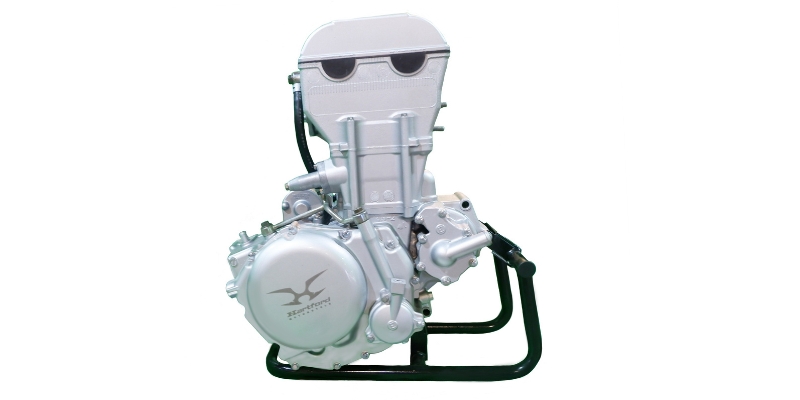 The HW-450 features a 448cc four-stroke DOHC 4-valve engine, delivering a maximum output of 32.5 kW at 7,250 rpm and peak torque of 44.0 Nm at 6,750 rpm, offering powerful performance. Equipped with an electronic fuel injection (EFI) system and water-cooling design, it provides stable power output and durability during extended operation. Paired with a 5-speed transmission and a high compression ratio of 11.6:1, it delivers sharp acceleration response, making it suitable for mid-to-large street bikes, sport replicas, or heavy motorcycles requiring high-speed cruising. The HW-450 water-cooled engine is currently mainly for export.
〈Recommended Model:HW-450〉
2. BW-125: Lightweight & Sporty
〈Further Reading:Best Commuter Motorcycles|Your Complete Guide to Choosing and Upgrading〉
〈Recommended Model:BW-125〉
3. B15Y: Smooth Urban Commuting
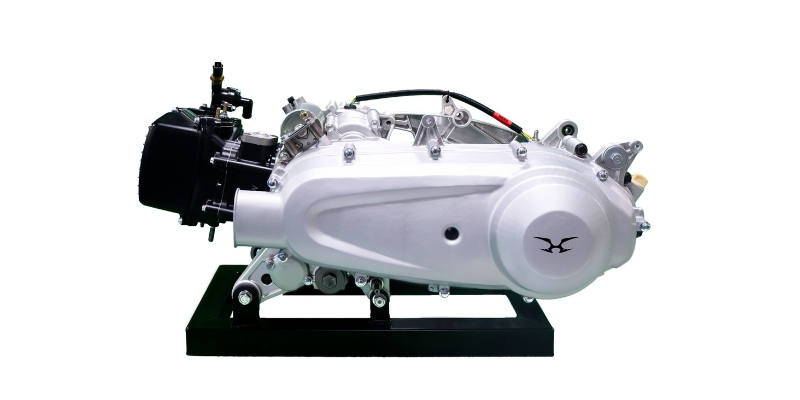
The B15Y is equipped with a 150.1cc four-stroke SOHC 4-valve engine, featuring a CVT continuously variable transmission system for easy operation and smooth acceleration. It delivers a maximum output of 12.1 kW at 9,250 rpm and torque of 13.9 Nm at 7,750 rpm, balancing daily commuting needs with power performance. With a compression ratio of 11.1:1 and EFI fuel injection design, it enhances combustion efficiency. Weighing only 36 kilograms, it is ideal for commuting, city riding, and light touring. The B15Y water-cooled engine is currently mainly for export.
〈Recommended Model:B15Y〉
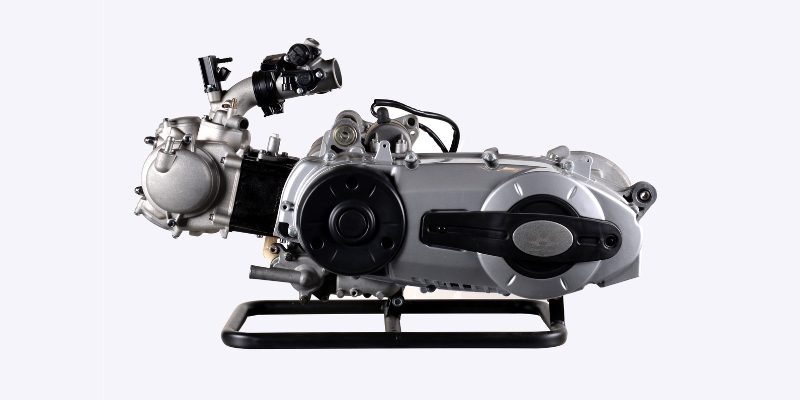
4. Y300: Strong Low-End Torque
〈Recommended Model:Y300〉
Conclusion
Water-cooled engines rely on a precise coolant circulation system to maintain the engine at an ideal operating temperature for extended periods. This effectively prevents wear caused by overheating, while providing stable power output and a quiet, smooth riding experience. If you are looking for a stable, durable, and comfortable water-cooled engine, Hartford offers a variety of models and engine products to choose from. Contact us today—our professional team is ready to help you find the water-cooled engine that best meets your needs and take your riding experience to the next level.
〈Further Reading:How Did Hartford Motorcycles from Taiwan Conquer the Global Market?〉
〈Further Reading:Manual Motorcycle Price Guide | Price Ranges by Displacement & Ownership Costs at a Glance!〉


Hartford
At Hartford, we turn motorcycle passion into innovation. Under our "Heart for You" spirit, we deliver high-quality, human-centric designs for diverse needs. We offer manual-transmission motorcycles and scooters, actively expanding our brand globally and domestically.
Beyond bikes, Hartford provides mobility solutions like electric golf carts in Taiwan. With a professional team and customer-first approach, we aim to be a global brand representing Taiwan, bringing a convenient and exciting mobile lifestyle to for customers worldwide.
Article Classification
Recent Articles
- Off-Road Motorcycle Buying Guide: How to Choose the Right Bike, Engine Size, and Safety Gear
- Motorcycle Horsepower vs Torque: Key Performance Differences You Should Know Before Buying
- Are 150cc Motorcycles Worth It? Pros, Cons & Class Differences Explained
- Is a 250cc Motorcycle Worth It? Key Differences from 150cc & Top Picks
- Manual Motorcycle vs Scooter: Riding Basics, Buying Guide & Top Picks