
BLOG
More related information

- Home
- Blog
- Motorcycle Knowledge
- What Can You Modify on a Motorcycle? A Complete Guide to Motorcycle Mods and Safety Considerations
What Can You Modify on a Motorcycle? A Complete Guide to Motorcycle Mods and Safety Considerations
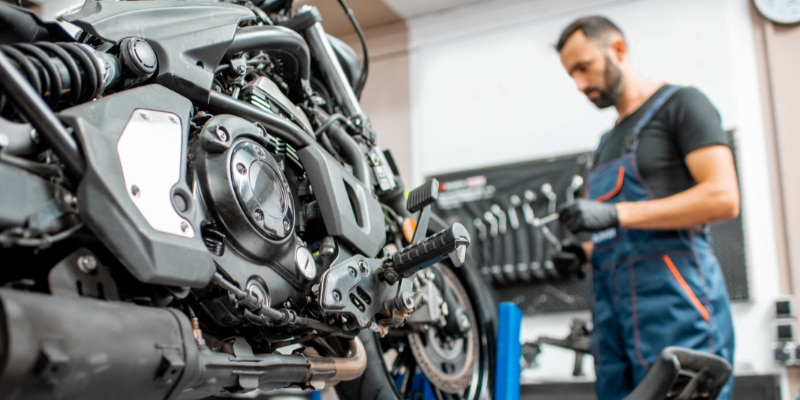
A motorcycle is more than just a means of transportation—it’s an expression of personality and lifestyle. Whether you’re aiming for a unique visual style or looking to improve comfort and performance, motorcycle mods can meet a wide range of needs. However, before pursuing personalization, it’s essential to understand local regulations and pay close attention to safety after modification. This article will walk you through what motorcycle modifications are possible, how to estimate costs, and the most common questions riders have about motorcycle mods.
〈Further Reading:Find Your Ride: Comparing Top Motorcycle Brands, Styles, and Buying Tips〉
Why Modify a Motorcycle? Understanding the Benefits and Risks of Motorcycle Modifications
The biggest appeal of motorcycle mods lies in customization. Something as simple as vinyl wrapping can instantly transform a bike’s appearance while protecting the original paint. Upgrading the seat or adjusting handlebar height can significantly improve comfort for long rides. Enhancing the braking or suspension system can also boost handling and riding safety. However, improper motorcycle modifications can introduce risks. Overly bright lighting may distract oncoming drivers, while excessively stiff suspension settings can reduce stability on uneven roads, increasing the risk of skidding or loss of control. That’s why it’s crucial to research motorcycle modification regulations and safety requirements before making any changes—so you don’t end up wasting money, getting fined, or compromising your own safety.
〈Further Reading:Beginner Motorcycle Buying Guide | A Practical Guide from Riding Experience to Smart Selection〉
What Motorcycle Mods Are Available? A Complete Overview of Common Motorcycle Modifications
Motorcycle modifications generally fall into two main categories: appearance and performance. These mods allow riders to create an eye-catching personalized style or pursue improved handling and speed. Below is an overview of the most common motorcycle mod options.
Appearance Mods: Create Your Own Motorcycle Style
Body and Exterior
One of the most common motorcycle mods is vinyl wrapping or replacing body panels. Wrapping allows you to change colors quickly, enhance visual texture, and protect the factory paint. Replacing body panels offers an even more distinctive custom look. While these mods don’t affect performance, it’s important to ensure that license plates, turn signals, and headlights remain unobstructed to maintain road safety.
〈Further Reading:Best Commuter Motorcycles|Your Complete Guide to Choosing and Upgrading〉
Tires and Wheels
Tires and wheels are another popular area for motorcycle modifications. Common upgrades include lightweight aluminum alloy wheels or forged wheels, which not only enhance aesthetics but also reduce unsprung weight for more agile handling. Tire selection depends on riding needs, such as symmetrical tread for durability, asymmetrical tread for grip, or block-pattern tires for improved control.
Lighting Systems
Lighting mods include LED headlights, projector headlights, and flowing turn signals. These motorcycle mods can dramatically change a bike’s front and rear appearance while improving nighttime visibility. When modifying lighting, brightness and beam patterns must comply with regulations to avoid blinding oncoming traffic and compromising road safety.
Rearview Mirrors
Rearview mirrors are one of the easiest motorcycle mods to start with. Small changes can dramatically alter a bike’s style—whether street, retro, or minimalist. However, mirrors should not be chosen for looks alone. Riders must ensure proper mirror size and angle to maintain clear rear visibility and riding safety.
Performance Mods: Enhancing Riding Comfort and Control
Suspension System
The suspension system (shock absorbers) plays a key role in ride comfort and stability. Upgrading to high-performance or adjustable suspension allows riders to fine-tune settings based on body weight, road conditions, and riding style. This helps keep the bike planted during cornering and improves shock absorption on rough roads, resulting in better control and a smoother ride.
〈Further Reading:Scooter vs Manual Motorcycle Shock Absorbers | Types, Inspection, and Maintenance〉
Braking System
Brake upgrades are among the most important motorcycle modifications for safety. Common mods include calipers, brake discs, brake pads, and stainless steel brake lines. High-quality braking components can shorten stopping distances and improve response time, especially in emergencies. However, overly sensitive brakes may cause wheel lock or instability, so professional installation and tuning are essential.
〈Further Reading:What Is Fuel Efficiency? Improving Fuel Consumption for a Greener Environment!〉
Transmission System
Transmission motorcycle mods affect acceleration and power delivery. Typical upgrades include variators, roller weights, clutch springs, and clutch plates. A well-balanced setup improves throttle response and smooth power transfer while maintaining durability and fuel efficiency.
〈Further Reading:Adventure Motorcycle Touring: Choosing the Perfect Long-Distance Bike for Safety and Comfort 〉
Engine and Power System
Power-related motorcycle modifications often involve engine components, such as increasing cylinder displacement, upgrading intake and exhaust systems, or modifying the ECU. These mods can significantly boost output, but they also increase engine load. ECU tuning must be handled by professionals to avoid knocking or overheating, and exhaust noise levels must comply with regulations to remain legal.
〈Further Reading:Tips for Maintaining Water-Cooled Engines, System Comparisons, and Top Recommendations to Upgrade Your Riding Experience! 〉
How Much Do Motorcycle Mods Cost? A Complete Price Breakdown
The cost of motorcycle modifications varies widely—from a few hundred dollars for decorative decals to tens of thousands for high-end performance kits. Pricing depends on brand, material quality, complexity, and labor costs. Below is a general market reference; actual prices may vary by shop.
Motorcycle Modification Cost Comparison Table
| Modification Item | Reference Price Range (USD) | Purpose |
|---|---|---|
| Vinyl wrap / paint | US$90–450 | Change appearance, protect paint |
| Body panel replacement | US$150–600 | Enhance styling, reduce weight |
| Wheel upgrade | US$250–900 | Reduce unsprung weight, improve handling |
| Tire replacement | US$90–300 | Improve grip and stability |
| Lighting upgrade | US$60–300 | Improve night visibility and safety |
| Rearview mirrors | US$30–150 | Improve visibility and aesthetics |
| Suspension system | US$250–1,200 | Improve comfort and stability |
| Brake system upgrade | US$150–750 | Enhance braking response |
| Transmission system | US$90–300 | Improve acceleration and efficiency |
| Exhaust system | US$180–900 | Improve output, reduce weight |
| ECU tuning / upgrade | US$150–600 | Enhance performance and fuel efficiency |
| Seat and grips | US$30–150 | Improve comfort and control |
(The table can be scrolled horizontally on mobile devices.)
How to Plan a Motorcycle Mod Budget
For basic appearance and accessory mods—such as wraps, grips, seats, and mirrors—US$300–900 is usually sufficient. Upgrading suspension, brakes, and basic transmission components typically requires US$1,200–2,400. Full performance and styling builds, including engine upgrades and high-end components, can exceed US$3,000. Always factor in legality, safety, and long-term maintenance costs.
〈Further Reading:What's the Difference Between Motorcycle ABS and CBS?〉
What Motorcycle Mods Are Not Allowed? Safety and Legal Considerations
Safety should always come first when it comes to motorcycle modifications. Improper changes to structural components, lighting, brakes, or engine systems can compromise stability and safety. Regulations vary by country and region, covering aspects such as lighting brightness, exhaust noise, vehicle dimensions, and structural changes. Before performing advanced motorcycle mods, consult local transportation authorities and certified modification shops to ensure everything remains legal and safe.
Motorcycle Modification FAQs
Q1: Do motorcycle mods require re-inspection or registration?
In many countries, modifications involving safety-related components—such as brakes, suspension, lighting, exhaust, or engine performance—may require re-inspection or registration. Failure to comply can result in fines or failed inspections.
Q2: Are exhaust and lighting motorcycle modifications legal?
Exhaust and lighting are among the most strictly regulated motorcycle mods. To stay compliant, choose products certified under standards such as ECE or DOT to ensure proper brightness, beam pattern, and noise levels.
Q3: Do suspension or brake mods affect safety?
When done correctly, suspension and brake upgrades can greatly improve safety. However, these motorcycle modifications must be installed and tuned by experienced technicians and tested thoroughly to ensure stability and braking performance.
Q4: Do motorcycle mods affect warranty or insurance coverage?
Before modifying your motorcycle, check your manufacturer’s warranty and insurance policy. Most warranties cover only stock components. For example, if you own a Hartford motorcycle, damage caused by modifications may void warranty coverage. Insurance claims may also be denied if accidents are linked to non-original modifications.
〈Further Reading:How Did Hartford Motorcycles from Taiwan Conquer the Global Market?〉
〈Further Reading:Manual Motorcycle Price Guide | Price Ranges by Displacement & Ownership Costs at a Glance!〉
Q5: How can I ensure motorcycle mods are legal and safe?
Prioritize safety by choosing reputable motorcycle modification shops, using certified components (DOT, ECE), and reviewing local traffic regulations carefully before making any changes.
Conclusion
Motorcycle modifications can showcase your personality and taste, as well as improve riding comfort. However, safety and legality should always be prioritized. By opting for professional and legal installations, you can achieve a unique style, superior performance, and a great riding experience all at once. Want a motorcycle with a distinctive style without any modifications? Hartford offers a variety of factory models that combine style and performance to meet your desire for individuality. Feel free to click to learn more or contact us today, so you can safely enjoy the thrill of riding!


Hartford
At Hartford, we turn motorcycle passion into innovation. Under our "Heart for You" spirit, we deliver high-quality, human-centric designs for diverse needs. We offer manual-transmission motorcycles and scooters, actively expanding our brand globally and domestically.
Beyond bikes, Hartford provides mobility solutions like electric golf carts in Taiwan. With a professional team and customer-first approach, we aim to be a global brand representing Taiwan, bringing a convenient and exciting mobile lifestyle to for customers worldwide.
Article Classification
Recent Articles
- Off-Road Motorcycle Buying Guide: How to Choose the Right Bike, Engine Size, and Safety Gear
- Motorcycle Horsepower vs Torque: Key Performance Differences You Should Know Before Buying
- Are 150cc Motorcycles Worth It? Pros, Cons & Class Differences Explained
- Is a 250cc Motorcycle Worth It? Key Differences from 150cc & Top Picks
- Manual Motorcycle vs Scooter: Riding Basics, Buying Guide & Top Picks